The Surreal Landscapes of Franz Kafka

recipes88.com – Franz Kafka, one of the most influential writers of the 20th century, is renowned for his surreal and thought-provoking narratives that delve into the complexities of human existence. His works, characterized by their exploration of absurdity, alienation, and existential dread, have left an indelible mark on literature and philosophy. Stories like “The Metamorphosis,” “The Trial,” and “The Castle” transport readers to unsettling worlds where the bizarre becomes the norm. This article delves into the surreal landscapes crafted by Kafka, examining their themes, impact, and lasting legacy.

The Absurd and Alienating Worlds of Kafka

Kafka’s narratives often unfold in surreal landscapes that challenge conventional reality, reflecting the absurdity and alienation of modern life. In “The Metamorphosis,” readers are confronted with the bizarre transformation of Gregor Samsa into a giant insect, a powerful metaphor for alienation and loss of identity. “The Trial” presents a nightmarish world where the protagonist, Josef K., is ensnared in a labyrinthine legal system, highlighting the futility and helplessness of the individual against incomprehensible forces. These stories exemplify Kafka’s ability to create unsettling worlds that mirror the anxieties and absurdities of human existence.

Themes of Alienation and Existential Dread

Central to Kafka’s work are themes of alienation, existential dread, and the struggle for meaning in an indifferent universe. His characters often grapple with feelings of isolation and powerlessness, striving to understand their place in a world that seems indifferent or hostile. This existential struggle is vividly depicted in “The Castle,” where the protagonist, K., attempts to gain access to an elusive authority, symbolizing the human quest for purpose and understanding. Kafka’s exploration of these themes resonates deeply with readers, offering a profound commentary on the human condition.

The Influence of Kafka’s Surrealism

Kafka’s surreal landscapes have had a lasting impact on literature, philosophy, and the arts. His distinct style, marked by its blend of realism and fantasy, has inspired countless writers and artists, giving rise to the term “Kafkaesque” to describe situations that are bizarre, illogical, and disorienting. His work has influenced existential and absurdist literature, providing a framework for exploring the complexities and contradictions of modern life. Kafka’s ability to evoke a sense of unease and introspection has cemented his place as a pivotal figure in the literary canon.

The Legacy of Franz Kafka

Franz Kafka’s legacy endures through his ability to capture the essence of the human experience in all its complexity and absurdity. His works continue to provoke thought and inspire dialogue, challenging readers to confront their own existential dilemmas and societal structures. Kafka’s exploration of alienation, authority, and the search for meaning remains relevant in today’s world, offering a timeless reflection on the nature of existence.

Conclusion

The surreal landscapes of Franz Kafka invite readers into worlds that are both unsettling and enlightening. Through his exploration of absurdity, alienation, and existential dread, Kafka offers a profound commentary on the human condition. His legacy continues to influence and inspire, inviting us to reflect on the complexities of modern life and the relentless quest for understanding and meaning. As readers journey through Kafka’s surreal narratives, they are reminded of the enduring power of literature to illuminate the depths of human experience.
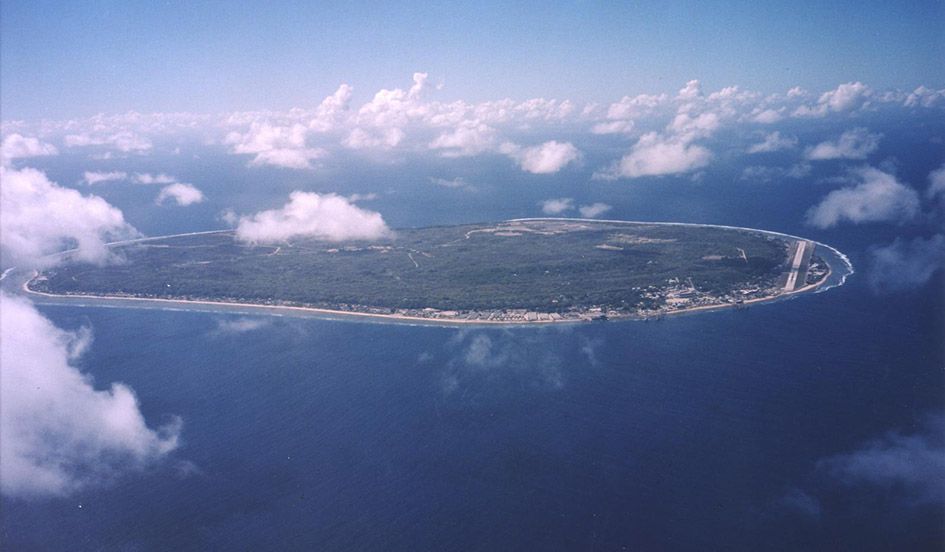
Nauru: The Smallest Island Nation in the World

recipes88.com – Nauru, a tiny tropical island located in the Pacific Ocean, holds the distinction of being the world’s smallest island nation. With an area of just 21 square kilometers (8.1 square miles), it is the third-smallest country in the world, surpassed in size only by Vatican City and Monaco. Despite its minuscule size, Nauru boasts a rich history, stunning coral reefs, and a unique culture that sets it apart from other nations.

Geography and Location

Nauru is situated just one degree below the equator, approximately 3,000 kilometers northeast of Cairns, Australia. The island is surrounded by a coral reef, which makes up a significant portion of its perimeter. The interior of the island is dominated by a raised central plateau, which was once rich in phosphate deposits, a resource that has played a crucial role in Nauru’s economic history.

Unique Political Structure

One of the most intriguing aspects of Nauru is its political structure. It is the only republic in the world without an official capital city. The government offices and other administrative buildings are scattered across the island, reflecting the island’s small size and the practicality of its governance. This unique arrangement underscores the simplicity and efficiency of Nauru’s political system.

History and Economy

Nauru’s history is marked by significant economic fluctuations. The island was once a major exporter of phosphate, a mineral used in fertilizers. The phosphate industry brought prosperity to Nauru in the mid-20th century, but the depletion of these resources has led to economic challenges. Today, Nauru relies on various sources of income, including foreign aid and offshore banking.

Culture and Lifestyle

Despite its small size, Nauru offers a peaceful escape and warm hospitality to visitors. The island’s culture is a blend of traditional customs and modern influences, creating a unique identity. The Nauruan people are known for their friendly and welcoming nature, making the island a pleasant destination for those seeking a tranquil tropical experience.

Environmental and Health Challenges

Nauru has faced several environmental and health challenges. The over-exploitation of phosphate resources has led to significant environmental degradation, with large portions of the island now covered by barren, pitted landscapes. Additionally, Nauru has struggled with health issues, including high rates of obesity and diabetes, which are common in many Pacific Island nations.

Conclusion

Nauru, the world’s smallest island nation, is a testament to the resilience and adaptability of its people. Despite its challenges, the island continues to offer a unique blend of natural beauty, cultural richness, and a laid-back tropical lifestyle. For those interested in exploring the lesser-known corners of the world, Nauru presents a fascinating destination that is both small in size and big in charm

Butterflies: Beauty, Diversity, and Ecological Importance

recipes88.com – Butterflies are among the most captivating creatures in the natural world, known for their vibrant colors, intricate patterns, and graceful flight. Beyond their aesthetic appeal, butterflies play crucial roles in ecosystems and serve as indicators of environmental health. This article delves into the fascinating world of butterflies, exploring their life cycle, diversity, and ecological significance.

The Life Cycle of a Butterfly

The life cycle of a butterfly is a remarkable journey that involves four distinct stages: egg, larva (caterpillar), pupa (chrysalis), and adult. This metamorphosis is a complex process that showcases the wonders of nature.

  1. Egg: The life of a butterfly begins when a female lays eggs on or near the host plant that will serve as food for the emerging larvae. The location and timing of egg-laying are critical to ensure the survival of the offspring.
  2. Larva (Caterpillar): Once hatched, the caterpillar’s primary focus is to eat and grow. Caterpillars undergo several stages of growth, shedding their skin multiple times before reaching full size. This stage is crucial for building the energy reserves needed for metamorphosis.
  3. Pupa (Chrysalis): The caterpillar then forms a chrysalis, attaching itself to a stable surface. Inside the chrysalis, the remarkable transformation from caterpillar to butterfly occurs. This pupal stage can last from a few weeks to several months, depending on the species and environmental conditions.
  4. Adult: Once the metamorphosis is complete, the adult butterfly emerges from the chrysalis. After its wings dry and expand, the butterfly is ready to fly, mate, and begin the cycle anew.

The Diversity of Butterflies

The world is home to approximately 18,000 species of butterflies, each with its unique characteristics and adaptations. This diversity is a testament to the evolutionary success of butterflies, which have adapted to a wide range of habitats from tropical rainforests to arid deserts.

Butterflies exhibit a stunning array of colors and patterns, which serve various functions such as camouflage, mimicry, and sexual signaling. The Monarch butterfly, with its bright orange and black wings, is perhaps one of the most well-known species, famous for its incredible migratory journey spanning thousands of miles.

The Ecological Importance of Butterflies

Butterflies play vital roles in ecosystems, particularly as pollinators. They help to transfer pollen from one flower to another, facilitating plant reproduction and contributing to the genetic diversity of plant populations. This pollination service is essential for the maintenance of healthy ecosystems and the production of many crops important for human consumption.

Moreover, butterflies serve as indicators of environmental health. Their sensitivity to changes in habitat quality, climate, and pollution levels makes them useful bio-indicators. Monitoring butterfly populations can provide valuable insights into the overall health of ecosystems and the effectiveness of conservation efforts.

Conservation Challenges and Efforts

Despite their ecological importance, many butterfly species face threats from habitat destruction, climate change, pesticide use, and invasive species. Conservation efforts are crucial to protect butterfly populations and their habitats.

Initiatives such as habitat restoration, the establishment of protected areas, and the promotion of sustainable agricultural practices can help to safeguard butterfly populations. Additionally, public education and community involvement are key components of successful conservation strategies, fostering a greater appreciation for these beautiful creatures and the ecosystems they inhabit.

Conclusion

Butterflies are not only symbols of beauty and transformation but also vital components of the Earth’s biodiversity. Their intricate life cycles, stunning diversity, and ecological roles highlight the importance of conserving these remarkable insects. By understanding and appreciating the world of butterflies, we can work towards a more sustainable future for all living beings.

Sea Games: Celebrating Aquatic Sports Around the World

recipes88.com – The Sea Games, also known as the Southeast Asian Games, is a biennial multi-sport event involving participants from the current 11 countries of Southeast Asia. The games are regulated by the Southeast Asian Games Federation (SEAGF) with the purpose of enhancing the unity of Southeast Asia through sports. Among the various disciplines featured in the Sea Games, aquatic sports hold a special place, showcasing the region’s rich maritime heritage and athletic prowess.

The Significance of Aquatic Sports in Sea Games

Aquatic sports have been an integral part of the Sea Games since its inception. These sports not only highlight the region’s natural affinity with water but also serve as a platform for athletes to demonstrate their skills in various water-based disciplines. The inclusion of aquatic sports in the Sea Games is a testament to the region’s commitment to celebrating and promoting these activities on an international stage.

Popular Aquatic Sports in Sea Games

Swimming

Swimming is one of the most popular and widely watched aquatic sports in the Sea Games. It features a range of events, including freestyle, backstroke, breaststroke, and butterfly, catering to different age groups and skill levels. The competition is fierce, with athletes from across Southeast Asia vying for top honors.

Diving

Diving is another key aquatic sport that captivates audiences with its blend of artistry and athleticism. Athletes perform a series of dives from various platforms, showcasing their skill, precision, and courage. The sport requires years of training and dedication, making it one of the most challenging events in the Sea Games.

Water Polo

Water polo combines elements of swimming, handball, and rugby, played in a pool. It is a fast-paced and physically demanding sport that requires exceptional swimming skills, strength, and teamwork. The Sea Games water polo tournament is highly competitive, with teams from different countries battling it out for supremacy.

Synchronized Swimming

Synchronized swimming, now known as artistic swimming, is a hybrid form of swimming, dance, and gymnastics. It involves swimmers performing synchronized movements in the water to music. The sport is judged based on the precision and creativity of the routines, making it a visually stunning event at the Sea Games.

The Role of Sea Games in Promoting Aquatic Sports

The Sea Games play a crucial role in promoting aquatic sports within Southeast Asia and beyond. By providing a platform for athletes to compete at an international level, the games help to raise the profile of these sports and encourage participation among the younger generation. Additionally, the Sea Games serve as a catalyst for infrastructure development, with host countries often investing in state-of-the-art aquatic facilities that benefit local communities long after the games have concluded.

Conclusion

The Sea Games are more than just a sporting event; they are a celebration of the region’s rich aquatic heritage and a showcase of its sporting talent. Through the inclusion of various aquatic sports, the games highlight the importance of water-based activities in Southeast Asian culture and promote these sports to a global audience. As the Sea Games continue to evolve, they will undoubtedly remain a key platform for celebrating and promoting aquatic sports around the world.

The Quest for the World’s Most Coveted Metal: Gold Rush

recipes88.com – Since ancient times, gold has captivated the human imagination, symbolizing wealth, power, and beauty. Its allure has led to countless adventures, from the mythical quests of yore to the historic gold rushes that reshaped continents. Today, the quest for gold continues, driven by its enduring value and the technological demands of a modern world. This article delves into the timeless fascination with gold, exploring its historical significance, the modern methods of extraction, and the challenges that lie ahead in the quest for this most coveted metal.

The Historical Allure of Gold

Gold’s unique properties—its luster, malleability, and resistance to corrosion—have made it a symbol of wealth and status throughout history. Ancient civilizations, such as the Egyptians and the Incas, revered gold, using it in jewelry, art, and religious artifacts. The pursuit of gold has driven explorations and conquests, from the Spanish conquistadors in the Americas to the 19th-century gold rushes in California and Australia. These events not only transformed the economic landscapes but also led to social and cultural upheavals, as people from all walks of life were drawn by the dream of striking it rich.

Modern Methods of Gold Extraction

Today, the quest for gold is a highly sophisticated and technologically advanced endeavor. Modern mining techniques, such as open-pit mining, placer mining, and underground mining, employ advanced machinery and processes to extract gold from the earth. Environmental concerns have also led to the development of more sustainable extraction methods, such as heap leaching and in-situ mining, which aim to reduce the environmental impact of gold mining.

The Role of Gold in Today’s World

Gold remains a cornerstone of the global economy, serving as a store of value and a hedge against inflation. Central banks and investors alike hold gold as part of their reserves, and the metal is a key component in various industries, including jewelry, electronics, and aerospace. The demand for gold continues to drive its exploration and extraction, making it one of the most sought-after commodities in the world.

Challenges in the Quest for Gold

Despite its enduring value, the quest for gold is fraught with challenges. Environmental degradation, social conflicts, and the depletion of easily accessible gold deposits are significant issues facing the industry. The search for new gold reserves often leads to more remote and challenging locations, increasing the costs and risks associated with mining. Additionally, the ethical sourcing of gold has become a growing concern, with efforts to combat illegal mining and ensure fair labor practices.

Conclusion

The quest for gold is a testament to humanity’s enduring fascination with this precious metal. From the ancient pharaohs to modern investors, gold has held a unique place in the human psyche. As we continue to seek out and utilize this coveted resource, it is crucial to balance the economic benefits with environmental stewardship and social responsibility. The future of gold mining will undoubtedly be shaped by technological advancements and a growing awareness of the need for sustainable practices. The quest for gold, therefore, remains as much about the future as it is about the past.