Monagas: A State of Oil and History – Tradition & Modernity

recipes88.com – Monagas, a state located in northeastern Venezuela, is a region rich in history, culture, and natural resources. Known for its oil production and its vibrant cultural heritage, Monagas offers a unique blend of tradition and modernity.   

Historical Significance

The state is named after José Tadeo Monagas, a prominent figure in Venezuelan history. The city of Maturín, the state capital, played a significant role in the Venezuelan War of Independence. The Battle of Maturín, fought in 1817, was a crucial victory for the independence forces.   

Oil-Driven Economy

Monagas is one of Venezuela’s major oil-producing states. The state’s oil industry has significantly contributed to the country’s economy, powering its development for decades. The Orinoco Oil Belt, a vast oil reserve, extends into Monagas, making it a crucial hub for Venezuela’s petroleum industry.  

Natural Beauty and Cultural Diversity

Despite its industrial significance, Monagas boasts stunning natural beauty, including coastal areas, rivers, and forests. The state is home to various indigenous communities, each with its unique culture and traditions. The Joropo, a lively folk dance and music genre, is a popular cultural expression in Monagas.

Challenges and Opportunities

Like many parts of Venezuela, Monagas faces economic and social challenges, including inflation, unemployment, and crime. However, the state’s natural resources, cultural heritage, and strategic location offer opportunities for future growth and development.

A Glimpse into the Future

As Venezuela continues to navigate its economic and political challenges, Monagas’ future remains uncertain. However, the state’s oil reserves, cultural heritage, and resilient people offer hope for a brighter future. By investing in education, infrastructure, and sustainable development, Monagas can overcome its challenges and contribute to the growth and prosperity of Venezuela.

Santa Fe: A Tapestry of Rivers and Pampas

recipes88.com – Santa Fe, a province located in central Argentina, is a land of diverse landscapes, rich history, and vibrant culture. Its extensive river network, fertile plains, and colonial cities offer a unique blend of natural beauty and cultural heritage.

The Paraná River: A Mighty Waterway

The Paraná River, one of the most important rivers in South America, flows through the province, shaping its landscape and economy. The river delta, a vast network of islands and waterways, is a popular destination for fishing, boating, and birdwatching.

The Pampas: A Fertile Plain

The Pampas, a vast, fertile plain, dominates the eastern part of the province. This region is the agricultural heartland of Argentina, producing wheat, corn, soybeans, and livestock. The Pampas are also home to numerous small towns and villages, offering a glimpse into rural Argentine life.

A Cultural Melting Pot

Santa Fe’s cultural heritage is a fascinating blend of indigenous and European influences. The province is home to several indigenous communities, including the Mocoví and Toba, who have a deep connection to the land. The influence of Spanish colonization is evident in the province’s architecture, music, and cuisine.

A Gastronomic Delight

Santa Fe’s cuisine is a delicious fusion of indigenous and European flavors. The province is famous for its asado, a traditional Argentine barbecue, which typically features grilled beef, lamb, or pork. Other popular dishes include empanadas, locro, and dulce de leche. The province is also known for its excellent wines, particularly those produced in the Mendoza region.

A Historical Legacy

Santa Fe has a rich history, dating back to the colonial era. The city of Santa Fe, the provincial capital, was one of the first Spanish settlements in Argentina. The city’s historic center, with its well-preserved colonial buildings and picturesque plazas, offers a glimpse into the past.

A Sustainable Future

Santa Fe is committed to sustainable development and environmental conservation. The province has implemented initiatives to protect its natural and cultural heritage. By promoting responsible tourism and sustainable agriculture, Santa Fe aims to ensure a sustainable future for generations to come.

A Tapestry of Rivers and Pampas

Santa Fe, with its diverse landscapes, rich cultural heritage, and warm hospitality, is a captivating destination. Whether you are seeking adventure, relaxation, or cultural immersion, Santa Fe offers a unique and unforgettable experience.

Serra do Gerês: A Natural Paradise

recipes88.com – The Serra do Gerês, a majestic mountain range in northern Portugal, is a breathtaking natural wonder that forms part of the Peneda-Gerês National Park. Known for its lush forests, cascading waterfalls, and crystal-clear rivers, the Serra do Gerês is a paradise for nature lovers and outdoor enthusiasts.

A Glimpse into the Serra do Gerês

The Serra do Gerês is characterized by its dramatic landscapes, which range from rugged granite peaks to verdant valleys. The region’s diverse ecosystems support a rich variety of flora and fauna, including rare and endangered species.

Exploring the Serra do Gerês

  • Hiking and Trekking: The Serra do Gerês offers a wide range of hiking trails, suitable for all levels of experience. From leisurely walks to challenging treks, there’s something for everyone.
  • Water Activities: The rivers and lakes of the Serra do Gerês offer opportunities for swimming, kayaking, canoeing, and fishing.
  • Birdwatching: The Serra do Gerês is a birdwatcher’s paradise, with a diverse range of bird species, including eagles, vultures, and woodpeckers.
  • Hot Springs: The region is home to several natural hot springs, where visitors can relax and rejuvenate.

The Unique Ecosystems of the Serra do Gerês

The Serra do Gerês is a UNESCO World Heritage Site, recognized for its outstanding natural beauty and cultural significance. The region’s unique climate and geology have led to the development of a variety of endemic plant and animal species.

A Taste of the Serra do Gerês

The Serra do Gerês is renowned for its delicious cuisine, which features fresh, locally sourced ingredients. Be sure to try local specialties like cabrito assado no forno (roasted kid goat), chanfana de cabra (goat stew), and truta (trout). Pair your meal with a glass of Vinho Verde, a light and refreshing wine produced in the region.

Monte Verucchio: A Hilltop Fortress with a Storied Past

recipes88.com – Monte Verucchio, a prominent hilltop in the Emilia-Romagna region of Italy, is steeped in history and offers stunning panoramic views of the surrounding countryside. This ancient fortress town has played a significant role in the region’s past, witnessing the rise and fall of various civilizations.   

A Glimpse into the Past

The origins of Verucchio can be traced back to the Iron Age Villanovan civilization. The hilltop’s strategic location made it an ideal site for a fortified settlement, and over the centuries, it has been occupied by various peoples, including the Etruscans, Romans, and Byzantines.

During the Middle Ages, Verucchio became a powerful fortress town, controlled by various noble families. The Malatesta family, one of the most influential families in the region, held sway over Verucchio for many years. The town’s strategic importance is evident in its well-preserved fortifications, including the Rocca Malatestiana, a majestic castle that dominates the skyline.   

Exploring the Town and Its Surroundings

  • Rocca Malatestiana: This imposing fortress offers breathtaking views of the surrounding countryside. Visitors can explore the castle’s towers, ramparts, and underground passages.  
  • Archaeological Museum: The museum houses a fascinating collection of artifacts from the Iron Age Villanovan civilization, including pottery, jewelry, and tools.  
  • Historic Center: The charming historic center of Verucchio is filled with narrow, winding streets, medieval buildings, and picturesque squares. 
  • Hiking and Outdoor Activities: The surrounding hills offer opportunities for hiking, biking, and other outdoor activities. The panoramic views from the hilltops are simply stunning.

A Taste of Romagna

Verucchio is known for its delicious cuisine, particularly its pasta dishes, meat-based meals, and local wines. Visitors can savor the flavors of the region at the many restaurants and trattorias in the town.

Monte Verucchio is a captivating destination that offers a unique blend of history, culture, and natural beauty. Whether you’re interested in exploring ancient ruins, admiring stunning views, or simply enjoying the local cuisine, Verucchio has something for everyone.

Giurgiu: A Historic City on the Danube

recipes88.com – Giurgiu, a city in southern Romania, is a captivating blend of history, culture, and natural beauty. Situated on the banks of the Danube River, Giurgiu has played a significant role in the region’s history and economy.   

A Glimpse into History

The origins of Giurgiu are not entirely clear, but it is believed that Genoese merchants established a trading post here in the 14th century. The city’s strategic location on the Danube River made it an important trade route between the Black Sea and Central Europe.   

Giurgiu has been influenced by various cultures, including Roman, Byzantine, and Ottoman. This diverse cultural heritage is reflected in the city’s architecture, traditions, and cuisine.

A Riverine City

The Danube River is the heart of Giurgiu. The river’s majestic flow has shaped the city’s history and economy. The port of Giurgiu is one of the most important river ports in Romania, connecting the country to the Black Sea and other European countries.  

The Danube Delta Biosphere Reserve, a UNESCO World Heritage Site, is located just a short distance from Giurgiu. This vast wetland ecosystem is home to a diverse range of flora and fauna, including rare bird species and aquatic life.  

Cultural Experiences

While Giurgiu may not be as well-known as other Romanian cities, it offers a unique cultural experience. The city’s historic center, with its charming old buildings and narrow streets, is a popular destination for tourists.

The St. Nicholas Cathedral, a beautiful Orthodox church, is one of the city’s most iconic landmarks. The church’s impressive architecture and intricate frescoes are a testament to the region’s rich religious heritage.

A Peaceful Retreat

Giurgiu offers a peaceful and relaxing atmosphere, away from the hustle and bustle of the big city. The city’s serene surroundings and affordable prices make it an ideal destination for budget travelers.   

In conclusion, Giurgiu is a hidden gem in southern Romania, offering a unique blend of history, culture, and natural beauty. Whether you’re interested in exploring ancient ruins, enjoying river cruises, or simply relaxing by the Danube, Giurgiu has something to offer everyone.

Nouvelle-Aquitaine: A Coastal Paradise – A Culinary Delight

recipes88.com – The Nouvelle-Aquitaine region in southwestern France is a captivating blend of history, culture, and natural beauty. Its coastline, dotted with picturesque islands, offers a diverse range of experiences for visitors. Two of the most popular islands are Île d’Oléron and Île de Ré.

Île d’Oléron: The Largest Maritime Island in France

Île d’Oléron, the largest maritime island in France, is a haven for nature lovers and outdoor enthusiasts. Its diverse landscapes, from sandy beaches to salt marshes, offer a variety of activities.

  • The Château d’Oléron: A historic fortress overlooking the ocean.
  • The Salt Marshes: A fascinating ecosystem where salt is harvested using traditional methods.
  • The Beaches: The island’s pristine beaches, such as Plage de Gatseau and Plage de la Cotinière, are perfect for swimming, sunbathing, and water sports.

Île de Ré: The White Island

Île de Ré, often referred to as the “White Island,” is known for its charming villages, picturesque salt marshes, and beautiful beaches.

  • Saint-Martin-de-Ré: A fortified town with narrow streets, historic houses, and a bustling harbor.
  • The Salt Marshes: A unique ecosystem where salt is harvested by hand.
  • The Beaches: The island’s beaches, such as Plage de la Conche and Plage de la Plage des Gollandières, are ideal for swimming, surfing, and windsurfing.

A Culinary Delight

Both islands offer a delicious culinary experience. Fresh seafood, oysters, and mussels are staples of the local cuisine. Don’t miss the opportunity to taste the famous “huîtres de Marennes-Oléron,” renowned for their exceptional quality.

A Cultural Experience

The islands are steeped in history and culture. Explore the charming villages, visit historic sites, and learn about the traditional way of life. The annual festivals and markets offer a glimpse into the local culture.

Conclusion

Nouvelle-Aquitaine’s islands, Île d’Oléron and Île de Ré, offer a unique blend of natural beauty, cultural heritage, and culinary delights. Whether you’re seeking relaxation, adventure, or a taste of French island life, these islands have something for everyone.

Teh Tarik: The Art of Malaysia’s Beloved Pulled Tea

recipes88.com – Teh Tarik, literally translated as “pulled tea,” is a popular hot milk tea beverage that has become an integral part of Malaysian culture. Known for its frothy top and rich, creamy taste, Teh Tarik is more than just a drink; it’s a symbol of community and tradition. Let’s explore the fascinating world of Teh Tarik and discover what makes it so cherished.

The Unique Preparation: The Pulling Technique

The defining characteristic of Teh Tarik is its unique preparation method, known as “pulling.” This involves pouring the tea and milk mixture back and forth between two containers from a height. The process aerates the tea, creating a frothy top while cooling it to the perfect drinking temperature. This theatrical method not only enhances the texture of the beverage but also adds a touch of showmanship to its preparation.

A Harmonious Blend of Tea and Milk

Teh Tarik is made from a strong black tea, often brewed with loose tea leaves for an intense flavor. Sweetened condensed milk is then added, giving the tea its signature creamy sweetness. The balance of robust tea and rich milk creates a comforting beverage that is both invigorating and soothing.

A Cultural and Social Experience

In Malaysia, Teh Tarik is more than just a drink—it’s a cultural experience. It is commonly enjoyed in “mamak” stalls, which are open-air eateries that serve as social hubs for people from all walks of life. Sharing a cup of Teh Tarik with friends or family is a cherished tradition, fostering a sense of community and camaraderie.

Variations and Modern Twists

While the classic Teh Tarik remains a favorite, there are many variations and modern twists on this beloved beverage. Some versions incorporate additional flavors, such as ginger or cardamom, to add a spicy kick. Others may use different types of milk or alternative sweeteners to cater to diverse preferences. These variations showcase the versatility of Teh Tarik while maintaining its core essence.

A Symbol of Malaysian Identity

Teh Tarik is often considered the national drink of Malaysia, representing the country’s rich cultural diversity and hospitality. Its popularity extends beyond Malaysia’s borders, captivating tea lovers around the world. The drink embodies the warmth and vibrancy of Malaysian culture, making it an iconic symbol of the nation’s culinary heritage.

In summary, Teh Tarik is more than just a cup of tea; it’s a delightful blend of tradition, flavor, and social connection. Its unique preparation and comforting taste have earned it a special place in the hearts of many. Whether you’re sipping it at a bustling mamak stall or enjoying it in the comfort of your home, Teh Tarik offers a taste of Malaysia’s rich cultural tapestry.

The Economic Development of Vanuatu

recipes88.com – Vanuatu, a stunning archipelago in the South Pacific, is renowned for its breathtaking landscapes and vibrant culture. However, behind its picturesque façade lies a complex economic landscape characterized by both significant challenges and promising opportunities. This article explores the multifaceted nature of Vanuatu’s economic development.

Economic Structure

Key Sectors

Vanuatu’s economy is primarily supported by agriculture, tourism, and services. Agriculture remains the backbone, employing a significant portion of the population and contributing to both food security and export income, with copra, kava, and cocoa being key products. Meanwhile, tourism capitalizes on Vanuatu’s natural beauty and cultural heritage, drawing visitors from around the world.

Emerging Industries

In recent years, efforts have been made to diversify the economy by nurturing industries such as fisheries, information technology, and offshore financial services. These emerging sectors are seen as vital to reducing dependency on traditional economic pillars.

Challenges to Economic Development

Geographic Isolation

Vanuatu’s remote location poses logistical challenges, making imports and exports costly and complex. This isolation also affects infrastructure development, limiting access to global markets and economic opportunities.

Vulnerability to Natural Disasters

As a nation situated on the Pacific Ring of Fire, Vanuatu is highly susceptible to natural disasters such as cyclones, earthquakes, and volcanic eruptions. These events can cause significant disruptions to economic activities, affecting livelihoods and infrastructure.

Limited Infrastructure

Infrastructure development is crucial for economic growth, yet Vanuatu faces constraints in this area. Improving roads, ports, and telecommunications is necessary to facilitate business operations and attract investment but requires substantial investment and planning.

Human Capital Development

Education and skills development are critical for economic progress. Vanuatu faces challenges in ensuring access to quality education and training, which are necessary to equip its workforce with the skills needed for a modern economy.

Opportunities for Growth

Sustainable Tourism

Tourism remains a promising avenue for growth. By focusing on sustainable and eco-friendly tourism practices, Vanuatu can enhance its appeal as a unique destination while preserving its natural environment and cultural heritage.

Renewable Energy

Vanuatu has significant potential for renewable energy development, particularly in solar, wind, and geothermal power. Investing in renewable energy can reduce dependency on imported fossil fuels, lower energy costs, and contribute to environmental sustainability.

Regional Trade and Integration

Strengthening regional trade relationships and integration with neighboring Pacific nations can open new markets for Vanuatu’s goods and services. Participating in regional economic initiatives can also provide opportunities for collaboration and shared growth.

Digital Transformation

Embracing digital technologies can transform various sectors, from agriculture to finance. By investing in digital infrastructure and promoting digital literacy, Vanuatu can enhance productivity, improve service delivery, and create new economic opportunities.

Conclusion

The economic development of Vanuatu is a complex interplay of challenges and opportunities. While geographic isolation, vulnerability to natural disasters, and infrastructure limitations present significant hurdles, there are ample opportunities for growth through sustainable tourism, renewable energy, regional trade, and digital transformation. By addressing these challenges and leveraging its unique strengths, Vanuatu can pave the way for a more resilient and prosperous future.

Kota Kyoto: Menyimpan Warisan Budaya yang Kaya

recipes88 – Kyoto, ibu kota kuno Jepang, adalah salah satu kota paling penting dalam sejarah dan budaya Jepang. Terletak di wilayah Kansai di Pulau Honshu, Kyoto terkenal sebagai pusat budaya, spiritualitas, dan tradisi yang telah bertahan selama lebih dari seribu tahun. Kota ini merupakan simbol dari warisan kekayaan budaya Jepang yang masih hidup hingga kini, dengan kuil-kuil kuno, taman-taman Zen, rumah teh tradisional, serta festival-festival yang meriah.

Kyoto didirikan pada tahun 794 Masehi dan menjadi ibu kota Jepang hingga tahun 1868, sebelum akhirnya ibu kota dipindahkan ke Tokyo. Selama lebih dari seribu tahun sebagai pusat pemerintahan, Kyoto memainkan peran kunci dalam perkembangan politik, budaya, dan spiritualitas Jepang. Berbagai dinasti kekaisaran, shogun, dan bangsawan membangun kuil-kuil, istana, serta kebun-kebun indah di seluruh penjuru kota. Meskipun Kyoto pernah mengalami kerusakan akibat perang dan bencana alam, kota ini berhasil mempertahankan banyak warisan budayanya.

Kyoto memiliki lebih dari 2.000 kuil Buddha dan kuil Shinto yang tersebar di seluruh kota. Beberapa di antaranya bahkan telah diakui sebagai Situs Warisan Dunia UNESCO, menjadikan Kyoto sebagai salah satu destinasi utama bagi wisatawan yang tertarik pada sejarah dan kebudayaan Jepang.

  1. Kuil Kinkaku-ji (Paviliun Emas)
    Kinkaku-ji, atau Paviliun Emas, adalah salah satu kuil paling ikonik di Kyoto. Kuil ini terkenal dengan arsitektur emasnya yang mencerminkan keindahan sempurna di atas kolam yang tenang. Awalnya dibangun sebagai vila peristirahatan untuk shogun Ashikaga Yoshimitsu pada abad ke-14, tempat ini kemudian diubah menjadi kuil Zen setelah kematiannya. Keindahan Kinkaku-ji sering dijadikan simbol harmoni antara arsitektur manusia dan alam.
  2. Kuil Fushimi Inari Taisha
    Kuil Shinto ini terkenal dengan ribuan gerbang torii merah yang membentuk jalur indah menuju Gunung Inari. Fushimi Inari Taisha didedikasikan untuk Inari, dewa padi dan kesuburan. Kuil ini juga merupakan tempat favorit untuk berdoa bagi para pebisnis yang mencari kesuksesan.
  3. Kuil Kiyomizu-dera
    Terletak di atas bukit dengan pemandangan indah Kyoto, Kiyomizu-dera adalah salah satu kuil paling terkenal dan tertua di Kyoto. Kuil ini terkenal dengan panggung kayu yang dibangun tanpa menggunakan paku, menawarkan pemandangan menakjubkan terutama selama musim semi dan gugur. Selain keindahan arsitekturnya, Kiyomizu-dera juga dikenal sebagai tempat yang sakral, di mana pengunjung berdoa untuk kebahagiaan dan kesehatan.

Kyoto adalah tempat kelahiran banyak seni dan tradisi server jepang yang masih dipraktikkan hingga hari ini. Salah satunya adalah upacara minum teh (sado), yang berkembang di Kyoto di bawah pengaruh Zen Buddha. Upacara minum teh adalah simbol kedamaian, keharmonisan, dan kesederhanaan, di mana setiap gerakan dan detail memiliki makna filosofis yang mendalam.

Selain itu, Kyoto juga dikenal dengan kerajinan tangan seperti tenun kimono, tembikar Kyo-yaki, dan kipas lipat tradisional. Keindahan karya-karya seni ini memperlihatkan keterampilan yang diwariskan dari generasi ke generasi, menjaga tradisi kerajinan Jepang tetap hidup di era modern.

kota-kyoto-menyimpan-warisan-budaya-yang-kaya

Kyoto juga terkenal dengan sejumlah festival tradisional yang menarik perhatian pengunjung dari seluruh dunia. Di antara yang paling terkenal adalah:

  1. Gion Matsuri
    Festival ini diadakan setiap bulan Juli dan merupakan salah satu festival terbesar di Jepang. Awalnya dimulai sebagai doa untuk mengusir wabah penyakit, Gion Matsuri kini menjadi perayaan besar dengan parade yang menampilkan arak-arakan megah dan dekorasi indah.
  2. Aoi Matsuri
    Aoi Matsuri adalah salah satu festival tertua di Kyoto, diadakan pada bulan Mei setiap tahunnya. Festival ini terkenal dengan prosesi megah yang melibatkan orang-orang berpakaian kostum kuno yang mewakili periode Heian, masa kejayaan Kyoto sebagai ibu kota Jepang.
  3. Jidai Matsuri
    Festival Jidai Matsuri atau “Festival Zaman” diadakan setiap bulan Oktober. Dalam festival ini, para peserta mengenakan kostum yang mewakili berbagai periode dalam sejarah Jepang, memberikan gambaran visual tentang perjalanan sejarah Kyoto dari zaman kuno hingga modern.

Meskipun Kyoto dikenal dengan budaya tradisionalnya, kota ini juga telah berkembang menjadi kota modern dengan fasilitas-fasilitas kontemporer. Kyoto memiliki universitas-universitas ternama seperti Universitas Kyoto, serta pusat penelitian yang berfokus pada ilmu pengetahuan dan teknologi. Selain itu, kota ini juga telah menjadi pusat kuliner dengan banyak restoran berbintang Michelin, menawarkan makanan khas Jepang yang diolah dengan sentuhan modern.

Namun, meski menghadapi modernisasi, Kyoto tetap menjaga keseimbangannya antara yang lama dan yang baru. Banyak bangunan tradisional, seperti machiya (rumah-rumah kayu tradisional), yang tetap dipelihara di tengah pesatnya pembangunan perkotaan.

Kyoto adalah kota yang menyimpan kekayaan sejarah dan budaya yang luar biasa. Dari kuil-kuil yang megah hingga festival-festival yang meriah, Kyoto menawarkan pengalaman budaya yang mendalam bagi siapa saja yang berkunjung. Kota ini berhasil menjaga warisan budaya yang kaya sambil tetap mengikuti perkembangan zaman, menjadikannya tempat yang sangat berharga dalam sejarah Jepang. Bagi para pencinta budaya, sejarah, dan spiritualitas, Kyoto adalah destinasi yang tidak boleh dilewatkan.

Netherlands: Dutch Delight – Picturesque Landscapes

recipes88.com – The Netherlands, often affectionately known as Holland, is a country that enchants visitors with its charming landscapes, vibrant culture, and innovative spirit. From its iconic windmills and tulip fields to its bustling cities and rich history, the Netherlands offers a delightful blend of tradition and modernity. In this article, we explore the elements that make the Netherlands a “Dutch Delight” and a captivating destination.

Picturesque Landscapes

The Netherlands is renowned for its picturesque landscapes, characterized by flat expanses, winding canals, and vibrant tulip fields. In spring, the countryside bursts into color as millions of tulips bloom, creating a stunning spectacle that attracts visitors from around the world. The iconic windmills, standing as symbols of Dutch ingenuity, add to the charm of the landscape, offering a glimpse into the country’s agricultural heritage.

Rich Cultural Heritage

The Netherlands boasts a rich cultural heritage that is reflected in its world-class museums, historic architecture, and thriving arts scene. Cities like Amsterdam, with its renowned museums such as the Rijksmuseum and the Van Gogh Museum, offer a deep dive into Dutch history and art. The country’s historic cities and towns, with their cobblestone streets and gabled houses, provide a window into the past while embracing contemporary culture.

A Hub of Innovation and Sustainability

The Netherlands is a global leader in innovation and sustainability. Known for its pioneering approaches to water management and urban planning, the country has transformed its landscape to adapt to the challenges of rising sea levels. Dutch cities are models of sustainable living, with extensive cycling infrastructure, green spaces, and initiatives aimed at reducing carbon emissions. The Dutch commitment to innovation extends to various sectors, including technology, agriculture, and design.

A Spirit of Tolerance and Inclusivity

The Netherlands is celebrated for its open-mindedness and inclusivity. Known for its progressive social policies, the country embraces diversity and fosters a culture of acceptance and tolerance. This spirit is evident in its vibrant multicultural communities and lively festivals that celebrate different cultures and traditions. The Dutch way of life is characterized by a strong sense of community, equality, and respect for individual freedoms.

Conclusion

The Netherlands, with its enchanting landscapes, rich cultural heritage, and spirit of innovation, truly embodies “Dutch Delight.” Its blend of tradition and modernity, commitment to sustainability, and culture of tolerance make it a unique and inviting destination. Whether you’re exploring its picturesque countryside, delving into its artistic treasures, or experiencing its vibrant cities, the Netherlands offers a delightful journey that captivates the heart and mind.

Wisata Religius ke Kuil Preah Vihear di Puncak Gunung

recipes88 – Kuil Preah Vihear, yang terletak di puncak Gunung Preah Vihear, adalah salah satu destinasi wisata religius yang menarik perhatian banyak wisatawan baik lokal maupun internasional. Kuil ini tidak hanya menawarkan keindahan arsitektur yang memukau, tetapi juga kaya akan sejarah dan nilai-nilai spiritual. Dalam artikel ini, kita akan menjelajahi daya tarik Kuil Preah Vihear dan mengapa tempat ini menjadi tujuan wisata yang penting.

Kuil Preah Vihear dibangun pada abad ke-9 hingga ke-12 oleh kerajaan Khmer dan didedikasikan untuk Dewa Shiva. Kuil ini terdiri dari berbagai bangunan yang terhubung dengan jalan setapak yang menanjak. Arsitektur yang megah dan lokasi yang strategis di atas gunung memberikan pemandangan yang menakjubkan, menjadikannya sebagai tempat suci yang dihormati.

Selain keindahan arsitektur kuil, pengunjung juga dapat menikmati pemandangan alam yang luar biasa di sekelilingnya. Puncak Gunung Preah Vihear menawarkan panorama pegunungan yang hijau dan lembah yang indah. Para pengunjung dapat melakukan trekking atau berjalan-jalan di sekitar kawasan kuil untuk menikmati keindahan alam yang menakjubkan.

wisata-religius-ke-kuil-preah-vihear-di-puncak-gunung

Wisatawan yang berkunjung ke Kuil Preah Vihear dapat melakukan berbagai aktivitas, seperti:

  1. Trekking: Jalur menuju kuil menantang dan menawarkan pengalaman trekking yang memuaskan. Pengunjung dapat menikmati udara segar dan keindahan alam selama perjalanan.
  2. Meditasi: Kuil ini adalah tempat yang ideal untuk bermeditasi dan merenungkan spiritualitas. Suasana tenang dan damai di sekitar kuil membuatnya menjadi tempat yang sempurna untuk refleksi diri.
  3. Fotografi: Keindahan arsitektur dan pemandangan sekitar kuil menjadikannya sebagai lokasi yang sempurna untuk fotografi. Para fotografer dapat menangkap momen-momen indah di tempat ini.
  4. Menikmati Budaya Lokal: Selain mengunjungi kuil, pengunjung juga dapat berinteraksi dengan penduduk setempat dan merasakan budaya serta tradisi yang kaya di daerah tersebut.

Kuil Preah Vihear dapat diakses melalui perjalanan darat dari Phnom Penh atau Siem Reap. Meskipun perjalanan mungkin memakan waktu, keindahan dan ketenangan yang ditawarkan oleh kuil ini membuatnya sangat berharga. Terdapat juga layanan pemandu wisata yang siap membantu pengunjung menjelajahi area tersebut.

wisata-religius-ke-kuil-preah-vihear-di-puncak-gunung

Kuil Preah Vihear di Puncak Gunung situs slot kamboja adalah destinasi wisata religius yang kaya akan sejarah, budaya, dan keindahan alam. Dengan kombinasi antara keindahan arsitektur, pemandangan menakjubkan, dan pengalaman spiritual, tempat ini menjadi pilihan yang tepat bagi para wisatawan yang mencari ketenangan dan inspirasi. Kunjungan ke kuil ini tidak hanya memberikan pengalaman spiritual, tetapi juga pengetahuan tentang sejarah dan budaya Khmer yang kaya. Jadi, jangan lewatkan kesempatan untuk mengunjungi Kuil Preah Vihear saat berwisata di Kamboja!

Qatar’s Modern Infrastructure and Urban Development

recipes88.com – Qatar has emerged as a global leader in modern infrastructure and urban development, showcasing a remarkable transformation over the past few decades. This article explores the key aspects of Qatar’s infrastructure development, focusing on its strategic planning, sustainable practices, and the impact of major events like the 2022 FIFA World Cup.

Strategic Planning and Master Planning

Qatar’s rapid urban development has been guided by comprehensive master planning efforts. The country has implemented a series of strategic plans aimed at managing growth and ensuring sustainable development. These plans have been crucial in addressing the challenges of rapid urbanization and have helped in creating a well-structured urban environment.

Sustainable Urban Planning

Sustainability is a cornerstone of Qatar’s urban development strategy. The country has adopted a people-centered approach, focusing on creating resilient and sustainable cities. Doha, the capital, has been at the forefront of these efforts, with a strong emphasis on green spaces, efficient public transportation, and energy-efficient buildings.

Infrastructure Development

Qatar has invested heavily in infrastructure development, particularly in transportation systems. The country has built a modern road network, including highways and bridges, to connect different parts of the country. The expansion of public transit systems, such as the Doha Metro, has significantly improved connectivity and reduced traffic congestion.

The Impact of the 2022 FIFA World Cup

The 2022 FIFA World Cup played a pivotal role in accelerating Qatar’s infrastructure development. The event led to the construction of state-of-the-art stadiums, hotels, and transportation networks. The development of these facilities was guided by principles of sustainability and urban regeneration, ensuring that the infrastructure would benefit the country long after the event.

Future Prospects

Looking ahead, Qatar’s infrastructure and urban development plans are aligned with the Qatar National Vision 2030, which aims to diversify the economy and improve the quality of life for its residents. The country continues to undertake major projects to enhance its infrastructure, ensuring it remains a model for modern urban development.

Conclusion

Qatar’s journey in modern infrastructure and urban development is a testament to its commitment to sustainable growth and strategic planning. The country’s efforts have not only transformed its urban landscape but have also positioned it as a leader in the region. As Qatar continues to invest in its infrastructure, it is poised to maintain its status as a global hub for innovation and development.

Mysteries of Easter Island: The Secrets of Rapa Nui

recipes88.com – Nestled in the vast expanse of the Pacific Ocean, Easter Island, or Rapa Nui as it is known to its inhabitants, holds a plethora of enigmas that have captivated explorers, archaeologists, and historians for centuries. This remote island, with its towering Moai statues, is a testament to the ingenuity and cultural richness of the Rapa Nui people. Despite extensive research, many mysteries remain, inviting us to delve deeper into the secrets of this enigmatic land.

The Enigma of the Moai Statues

The most iconic feature of Easter Island is undoubtedly its collection of over 900 monumental stone statues, known as Moai. These colossal figures, with their elongated heads and serene expressions, were carved from volcanic rock and transported across the island to ceremonial platforms called Ahu. The construction and transportation of these statues, some of which weigh over 80 tons, remain one of the most intriguing mysteries. Recent theories and experimental archaeology suggest that the statues may have been walked upright using ropes, rather than dragged, as previously thought.

The Mystery of the Rongorongo Tablets

Another mystery lies in the Rongorongo tablets, wooden tablets inscribed with glyphs that are believed to represent the indigenous script of Rapa Nui. Discovered in the late 19th century, these tablets are the only potential source of written language from Easter Island. Despite numerous attempts, the glyphs have yet to be fully deciphered, leaving the contents and purpose of the tablets a subject of speculation and debate.

The Collapse of the Rapa Nui Civilization

The decline of the Rapa Nui civilization is a topic of considerable debate. Traditional theories suggest that deforestation, overpopulation, and the resulting ecological collapse led to the downfall of the society. However, recent studies propose alternative explanations, including the impact of European diseases and slave raids, which may have played a significant role in the civilization’s demise.

Modern Research and Preservation Efforts

In recent years, advancements in archaeological techniques and DNA analysis have provided new insights into the history and culture of Rapa Nui. These studies have shed light on the origins of the Rapa Nui people, their diet, and their interactions with other Polynesian cultures. Additionally, ongoing preservation efforts are crucial in protecting the island’s fragile ecosystem and cultural heritage for future generations.

Conclusion

Easter Island continues to be a source of fascination and mystery. As research progresses, we may uncover more about the lives of the Rapa Nui people and the secrets of their remarkable island. The Moai statues, the Rongorongo tablets, and the story of the island’s civilization stand as enduring symbols of human creativity and resilience, inviting us to ponder the mysteries of our past and the importance of preserving our cultural heritage for the future.

Nauru: The Smallest Island Nation in the World

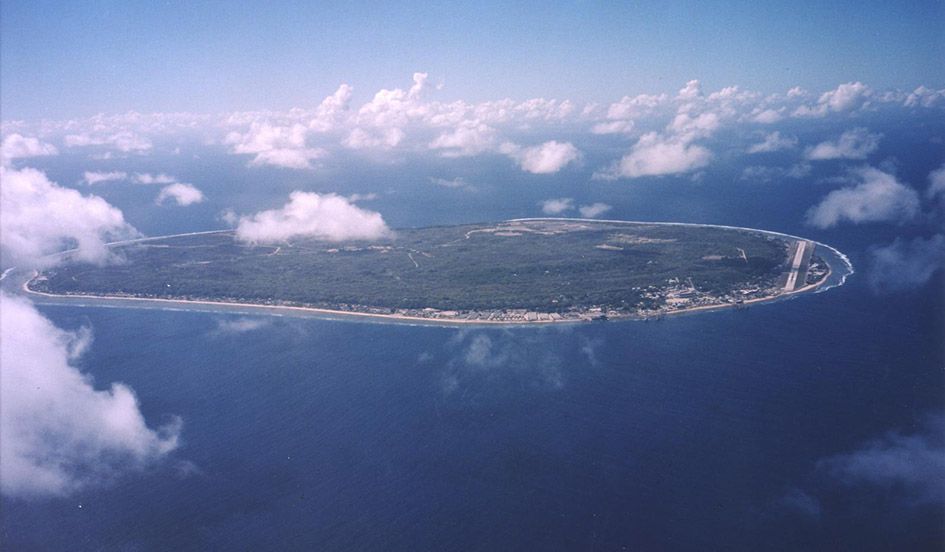
recipes88.com – Nauru, a tiny tropical island located in the Pacific Ocean, holds the distinction of being the world’s smallest island nation. With an area of just 21 square kilometers (8.1 square miles), it is the third-smallest country in the world, surpassed in size only by Vatican City and Monaco. Despite its minuscule size, Nauru boasts a rich history, stunning coral reefs, and a unique culture that sets it apart from other nations.

Geography and Location

Nauru is situated just one degree below the equator, approximately 3,000 kilometers northeast of Cairns, Australia. The island is surrounded by a coral reef, which makes up a significant portion of its perimeter. The interior of the island is dominated by a raised central plateau, which was once rich in phosphate deposits, a resource that has played a crucial role in Nauru’s economic history.

Unique Political Structure

One of the most intriguing aspects of Nauru is its political structure. It is the only republic in the world without an official capital city. The government offices and other administrative buildings are scattered across the island, reflecting the island’s small size and the practicality of its governance. This unique arrangement underscores the simplicity and efficiency of Nauru’s political system.

History and Economy

Nauru’s history is marked by significant economic fluctuations. The island was once a major exporter of phosphate, a mineral used in fertilizers. The phosphate industry brought prosperity to Nauru in the mid-20th century, but the depletion of these resources has led to economic challenges. Today, Nauru relies on various sources of income, including foreign aid and offshore banking.

Culture and Lifestyle

Despite its small size, Nauru offers a peaceful escape and warm hospitality to visitors. The island’s culture is a blend of traditional customs and modern influences, creating a unique identity. The Nauruan people are known for their friendly and welcoming nature, making the island a pleasant destination for those seeking a tranquil tropical experience.

Environmental and Health Challenges

Nauru has faced several environmental and health challenges. The over-exploitation of phosphate resources has led to significant environmental degradation, with large portions of the island now covered by barren, pitted landscapes. Additionally, Nauru has struggled with health issues, including high rates of obesity and diabetes, which are common in many Pacific Island nations.

Conclusion

Nauru, the world’s smallest island nation, is a testament to the resilience and adaptability of its people. Despite its challenges, the island continues to offer a unique blend of natural beauty, cultural richness, and a laid-back tropical lifestyle. For those interested in exploring the lesser-known corners of the world, Nauru presents a fascinating destination that is both small in size and big in charm

Iceland: A Land of Fire and Ice

recipes88.com – Nestled in the North Atlantic, Iceland is a land of stark contrasts, where the elements of fire and ice coexist in a breathtaking dance of nature. This island nation, with its population of just over 360,000, is a geological wonderland, offering visitors a glimpse into the raw power of the Earth.

The Geological Wonders

Iceland’s unique position on the Mid-Atlantic Ridge, where the North American and Eurasian tectonic plates are pulling apart, creates a landscape that is both volatile and awe-inspiring. The country is home to numerous volcanoes, some of which are active, such as Eyjafjallajökull, whose 2010 eruption disrupted air travel across Europe. Geothermal activity is also prevalent, with hot springs and geysers dotting the landscape, the most famous of which is the Strokkur geyser, which erupts every few minutes.

The Icy Landscapes

Despite its fiery underbelly, Iceland is also a land of ice. The country is home to some of the largest glaciers in Europe, including Vatnajökull, the largest ice cap in Europe, which covers an area of about 8,100 square kilometers. These icy expanses offer a range of activities for visitors, from glacier hiking and ice climbing to snowmobiling and ice cave exploration.

The Northern Lights

One of the most sought-after natural phenomena in Iceland is the Northern Lights, or Aurora Borealis. During the winter months, the dark skies provide the perfect backdrop for this celestial show, as green and sometimes red lights dance across the sky. The best time to witness this natural wonder is between September and April, when the nights are longest.

The Culture and People

Iceland’s rich cultural heritage is as captivating as its landscape. The country has a strong literary tradition, dating back to the sagas of the Viking Age, which are epic tales of Norse warriors and their adventures. Today, Icelanders are known for their creativity, with a vibrant music scene that has produced internationally renowned artists like Björk and Sigur Rós.

The people of Iceland are known for their resilience and adaptability, having lived for centuries in a challenging environment. They are also known for their progressive values, with Iceland consistently ranking high in measures of gender equality and quality of life.

Sustainable Tourism

As tourism has grown in Iceland, so has the awareness of the need to protect its fragile environment. The country is a leader in sustainable tourism, with efforts to minimize the impact of visitors on the natural landscape. This includes the promotion of responsible travel practices, such as staying on designated paths and respecting wildlife.

Conclusion

Iceland’s unique blend of fire and ice makes it a destination like no other. Whether you’re drawn to the raw power of its geological wonders, the serene beauty of its icy landscapes, or the rich culture of its people, Iceland offers an experience that is truly unforgettable. As you plan your visit, remember to do so with the environment in mind, ensuring that this remarkable land remains a treasure for generations to come.

The Outback: Life & Adventure in Australia’s Remote Interior

recipes88.com – The Australian Outback, a vast, sparsely populated region covering most of the country’s interior, is a place of rugged beauty, extreme weather, and a unique way of life. It is a land of adventure, solitude, and survival, where the spirit of the pioneers still thrives. This article delves into the heart of the Outback, exploring its landscapes, wildlife, and the resilient communities that call it home.

The Landscape of the Outback

The Outback’s landscape is as diverse as it is expansive. From the red sands of the Simpson Desert to the rugged MacDonnell Ranges, the terrain varies dramatically. The region is characterized by its arid climate, with vast stretches of desert and semi-arid land. Despite the harsh conditions, the Outback is home to some of Australia’s most iconic natural wonders, such as Uluru (Ayers Rock) and the Olgas (Kata Tjuta).

Wildlife in the Outback

The Outback is teeming with unique wildlife, much of which has adapted to the harsh environment. Kangaroos, emus, and dingoes roam freely, while the skies are home to wedge-tailed eagles and the elusive night parrot. The region’s reptile population includes the fearsome saltwater crocodile and various species of venomous snakes. Conservation efforts are crucial in protecting these species, as the Outback’s ecosystem is fragile and under threat from climate change and human activity.

Life in Remote Communities

Living in the Outback requires resilience and self-sufficiency. Remote communities are often hours away from the nearest town, with limited access to services and supplies. The people of the Outback have developed a strong sense of community and a culture of helping one another. Traditional Indigenous communities also thrive in the Outback, preserving their rich cultural heritage and passing down ancient knowledge of the land.

Adventures in the Outback

For those seeking adventure, the Outback offers a plethora of activities. Four-wheel-drive tours across the Simpson Desert, camel trekking in the Northern Territory, and hiking through the Larapinta Trail are just a few of the experiences available. Stargazing in the clear night skies of the Outback is another highlight, offering views of the Milky Way that are unparalleled in their clarity.

Challenges and Conservation

The Outback faces numerous challenges, including drought, bushfires, and the encroachment of invasive species. Conservation efforts are vital to protect the region’s unique biodiversity and cultural heritage. Sustainable tourism practices are also important to ensure that the Outback remains a place of wonder and adventure for future generations.

Conclusion

The Australian Outback is a land of contrasts, where the harsh reality of survival is balanced by the beauty of the landscape and the warmth of its people. It is a place that tests the limits of human endurance and offers a glimpse into the soul of Australia. Whether you’re drawn to the Outback for its adventure, its solitude, or its wildlife, it is sure to leave an indelible mark on all who visit.

The Future of Travel Documents: Digital Passports

recipes88.com – In an era where technology is reshaping every aspect of our lives, the concept of travel documents is undergoing a significant transformation. Digital passports, also known as e-passports or biometric passports, are emerging as the future of travel identification, promising enhanced security, convenience, and efficiency. This article explores the evolution of digital passports, their benefits, challenges, and the potential impact on global travel.

The Evolution of Travel Documents

Historically, passports were simple booklets containing a traveler’s personal information and a few stamps. Over time, these documents became more sophisticated with the introduction of machine-readable zones and, later, embedded electronic chips. These chips store biometric data such as fingerprints and facial recognition patterns, making passports more secure and difficult to forge.

Benefits of Digital Passports

Enhanced Security

One of the primary advantages of digital passports is the improved security they offer. The integration of biometric data ensures that only the legitimate passport holder can use the document, significantly reducing the risk of identity theft and fraud.

Streamlined Travel Processes

Digital passports facilitate a more efficient travel process. Biometric scanning at airports can expedite the check-in and boarding procedures, reducing wait times for travelers. Additionally, the digital format allows for easy storage and retrieval of travel documents, minimizing the likelihood of lost or stolen passports.

Environmental Considerations

The shift towards digital passports also has environmental benefits. By reducing the reliance on paper documents, digital passports contribute to a more sustainable travel industry, aligning with global efforts to reduce carbon footprints.

Challenges and Considerations

Privacy Concerns

The use of biometric data in digital passports raises concerns about privacy and data security. Governments and international organizations must implement robust measures to protect travelers’ personal information and ensure it is not misused.

Technological Infrastructure

For digital passports to be effective, airports and border control agencies must invest in the necessary technological infrastructure. This includes biometric scanning equipment and secure data management systems, which can be costly and require ongoing maintenance.

Global Standardization

A key challenge in the adoption of digital passports is achieving global standardization. Different countries may have varying requirements and technologies, making it difficult to create a universal system. International cooperation and agreements are essential to overcome these barriers.

Conclusion

Digital passports represent a significant step forward in the evolution of travel documents. By offering enhanced security, streamlined processes, and environmental benefits, they are poised to revolutionize the way we travel. However, addressing privacy concerns, investing in technological infrastructure, and achieving global standardization are critical steps in realizing the full potential of digital passports. As the world becomes increasingly interconnected, embracing this technological advancement will be crucial for ensuring safe, efficient, and sustainable travel for all.

The Asian American Experience: Tapestry of Diversity & Resilience

recipes88.com – The Asian American community is a vibrant and diverse group that has significantly contributed to the fabric of American society. With roots tracing back to the 19th century, Asian immigrants have faced a complex history of exclusion, discrimination, and eventual integration. Today, Asian Americans are a growing demographic, representing a wide array of cultures, languages, and traditions. This article explores the historical context, challenges, and achievements of Asian Americans, highlighting their role in shaping the United States.

Historical Context

The story of Asian Americans begins with the arrival of Chinese laborers in the mid-19th century, who were instrumental in building the transcontinental railroad. Despite their contributions, they faced intense racism and were eventually targeted by the Chinese Exclusion Act of 1882. Other Asian groups, such as Japanese, Filipinos, and Koreans, also encountered legal barriers and prejudice. The internment of Japanese Americans during World War II stands as a dark chapter in U.S. history, illustrating the depth of xenophobia and injustice faced by this community.

Cultural Contributions

Asian Americans have enriched American culture in countless ways. From cuisine to fashion, technology to entertainment, their influence is evident across various sectors. Cities like San Francisco’s Chinatown, Los Angeles’s Koreatown, and New York’s Flushing are cultural hubs that celebrate Asian heritage. The rise of Asian American representation in media and politics has also been significant, breaking down stereotypes and paving the way for greater visibility and acceptance.

Challenges Faced

Despite progress, Asian Americans continue to face challenges. The model minority myth, which stereotypes them as universally successful and thus not in need of support, overlooks the disparities and struggles within the community. Anti-Asian hate crimes, which surged during the COVID-19 pandemic, are a stark reminder of the racism and xenophobia that persist. Additionally, issues such as educational access, economic disparities, and political representation are ongoing concerns.

Achievements and Advocacy

Asian Americans have made remarkable achievements in various fields, including science, technology, education, and the arts. Advocacy groups and community organizations play a crucial role in addressing social issues, promoting civil rights, and fostering a sense of unity among diverse Asian ethnicities. The #StopAsianHate movement, for example, has galvanized support against racism and violence, showcasing the community’s resilience and solidarity.

Conclusion

The Asian American experience is a testament to the strength and diversity of the human spirit. Through generations of struggle and success, Asian Americans have woven their stories into the American narrative. As the community continues to grow and evolve, it remains a vital force in advocating for equality, celebrating cultural richness, and contributing to the nation’s progress. The journey of Asian Americans is a reminder that the United States is a nation of immigrants, and it is through embracing this diversity that the country can continue to thrive.

Traditions and Heritage: The Gambia’s Culture

recipes88.com – The Gambia, a small West African country, is renowned for its rich cultural heritage and vibrant traditions. Despite its diminutive size, The Gambia boasts a tapestry of customs, languages, and practices that reflect its diverse ethnic groups and historical influences. This article delves into the heart of Gambian culture, exploring its traditions and heritage that have been preserved and celebrated through generations.

The Ethnic Mosaic

The Gambia is home to various ethnic groups, including the Mandinka, Fula, Wolof, Jola, and Serer, each contributing to the country’s cultural diversity. These groups have their unique languages, beliefs, and customs, yet they coexist harmoniously, creating a mosaic of traditions that define Gambian society.

Traditional Music and Dance

Music and dance are integral to Gambian culture, serving as a means of communication, celebration, and storytelling. The kora, a 21-stringed harp, is a national symbol, and its melodious tunes often accompany dances such as the “Kankurang,” a masquerade dance performed during initiation ceremonies. These performances are not only entertaining but also educational, passing down historical narratives and moral lessons.

Cuisine

Gambian cuisine is a reflection of its agricultural practices and its people’s resourcefulness. Staple foods include rice, millet, and maize, often served with a variety of stews made from fish, meat, or vegetables. Dishes like “Benachin” (national dish), “Domoda,” and “Supakanja” are popular and are typically shared communally, emphasizing the importance of family and community in Gambian life.

Craftsmanship

The Gambia is known for its skilled artisans who produce intricate crafts such as basketry, wood carvings, and textiles. These crafts are not only aesthetically pleasing but also hold cultural significance, often featuring symbols and patterns that convey messages or tell stories. The craft industry not only supports the local economy but also preserves traditional techniques and designs.

Religious Practices

Islam and Christianity are the predominant religions in The Gambia, and religious festivals such as Eid al-Fitr, Eid al-Adha, Christmas, and Easter are celebrated with great enthusiasm. These celebrations are marked by communal prayers, feasts, and gatherings, reinforcing the community’s bonds and promoting a sense of unity.

Conclusion

The Gambia’s culture is a testament to the resilience and creativity of its people. Through its traditions and heritage, The Gambia maintains a strong sense of identity and community. As the country continues to evolve, it remains committed to preserving its cultural legacy, ensuring that future generations can appreciate and celebrate the rich tapestry of Gambian life.

Weaving Together Diverse Communities: The Kenyan Tapestry

recipes88.com – Kenya, a country renowned for its breathtaking landscapes and vibrant wildlife, is also a mosaic of diverse communities, each contributing to the rich tapestry of Kenyan culture. This article delves into the intricate weave of these communities, exploring how they coalesce to form a unique national identity.

The Fabric of Kenyan Society

Kenya’s population is composed of more than 40 ethnic groups, each with its own language, traditions, and customs. The largest communities include the Kikuyu, Luhya, Luo, Kalenjin, and Kamba, among others. Despite these differences, Kenyans share a common thread of resilience and a collective spirit that binds them together.

Cultural Threads

The cultural heritage of Kenya is as diverse as its people. From the Maasai’s iconic red shukas and beaded jewelry to the Swahili’s rich history and architecture along the coast, each community contributes a distinct color to the Kenyan tapestry. Traditional music, dance, and art also play a pivotal role in preserving and celebrating these cultural identities.

Economic Interdependence

Kenya’s economy is a reflection of its diverse communities, with various groups specializing in different sectors. The Kikuyu are known for their entrepreneurial spirit, the Luhya for their agricultural prowess, and the coastal communities for their seafood and trade. This economic interdependence fosters a sense of unity and mutual respect among the different groups.

Political Landscape

The political arena in Kenya is a microcosm of its societal diversity. Leaders from various communities often come together to form coalitions, reflecting the country’s commitment to inclusivity and representation. While challenges remain, the political tapestry of Kenya is woven with threads of dialogue and cooperation.

Challenges and Opportunities

Despite the beauty of Kenya’s cultural tapestry, the country faces challenges such as ethnic tensions and resource distribution. However, these issues also present opportunities for growth and unity. By embracing diversity and fostering dialogue, Kenyans can strengthen the fabric of their society and weave a future that honors their rich heritage while embracing the promise of a united nation.

Conclusion

The Kenyan tapestry is a testament to the strength found in diversity. As Kenya continues to weave together its diverse communities, it stands as a beacon of cultural richness and resilience. The journey is not without its challenges, but the collective spirit of Kenyans ensures that the tapestry remains vibrant and ever-evolving.

Voices of the Caribbean: Jamaican Literature

recipes88.com – Jamaican literature is a vibrant and dynamic field that reflects the island’s rich cultural heritage and its complex history of colonization, slavery, and independence. This literature is characterized by its use of Creole language, its exploration of themes such as identity, resistance, and survival, and its distinctive narrative styles. Writers from Jamaica have made significant contributions to Caribbean literature and have gained international recognition for their work.

The Origins and Development of Jamaican Literature

The roots of Jamaican literature can be traced back to the oral traditions of the indigenous Taino people and the African slaves brought to the island. These traditions were the foundation upon which later literary forms were built. The development of Jamaican literature was influenced by the struggle for independence from British colonial rule, which was achieved in 1962. This period saw a flourishing of literary activity as writers sought to define a Jamaican identity through their work.

Key Figures in Jamaican Literature

Several authors have played pivotal roles in shaping Jamaican literature. One of the most prominent is Claude McKay, an early 20th-century writer known for his poetry and novels that depicted the lives of black Jamaicans and addressed themes of racism and social injustice. Another key figure is Louise Bennett, also known as Miss Lou, who popularized the use of Jamaican Patois in literature and performance. Her work celebrated Jamaican culture and language, making her a beloved figure in the country.

Contemporary Jamaican Literature

Contemporary Jamaican literature continues to explore themes of identity, migration, and social issues, often with a global perspective. Authors such as Marlon James, whose novel “A Brief History of Seven Killings” won the Man Booker Prize in 2015, have brought international attention to Jamaican literature. James’ work, along with that of other contemporary writers like Kei Miller and Olive Senior, demonstrates the diversity and depth of Jamaican literary voices.

The Impact of Jamaican Literature

Jamaican literature has had a profound impact both within the Caribbean and on the global literary scene. It has provided a platform for the expression of Jamaican identity and has challenged stereotypes and misconceptions about the Caribbean. Through its unique blend of oral traditions, Creole language, and narrative styles, Jamaican literature has enriched the world’s literary landscape and continues to inspire new generations of writers.

Conclusion

Jamaican literature is a testament to the resilience and creativity of its people. From its origins in oral traditions to its current status on the international literary stage, it has remained a powerful voice for the Caribbean. As the literary landscape continues to evolve, Jamaican writers will undoubtedly continue to contribute to the rich tapestry of world literature, offering insights into the human condition from their unique perspective.

Exploring Andorra’s Majestic Mountain Landscapes

recipes88.com – Andorra, nestled in the heart of the Pyrenees, is a land of breathtaking mountain landscapes that offer a serene escape for nature lovers and adventure seekers alike. This tiny country, known for its stunning scenery, is a hidden gem waiting to be explored.

Majestic Mountains and Lush Valleys

Andorra’s majestic mountains and lush valleys create a picturesque backdrop that is both serene and exhilarating. The country’s location in the Pyrenees provides a unique setting with crystal-clear lakes and dense forests, making it an ideal destination for various outdoor activities. Whether you’re looking to hike, ski, or simply enjoy the tranquility of nature, Andorra has something to offer for everyone.

Scenic Routes and Panoramic Views

For those seeking unforgettable experiences, Andorra offers carefully selected scenic routes that provide panoramic views of its majestic mountains. These routes are designed to showcase the best of Andorra’s natural beauty, allowing visitors to immerse themselves in the tranquility of the mountainous landscapes.

Hidden Gems and Pristine Environments

Andorra boasts a pristine natural environment with stunning mountain landscapes, lush valleys, and picturesque lakes. The country’s hidden gems, such as the Vall del Riu valley, offer breathtaking views and are perfect for admiring the majestic mountainous landscapes.

Activities in Andorra

In addition to hiking and skiing, Andorra is also a popular destination for mountain biking and exploring hidden streams and grassy meadows. The country’s diverse landscapes provide a unique setting for a variety of activities, making it an ideal destination for adventure enthusiasts.

Conclusion

Andorra’s majestic mountain landscapes offer a serene escape for nature lovers and adventure seekers alike. With its stunning scenery, diverse activities, and carefully selected scenic routes, Andorra is a hidden gem waiting to be explored. Whether you’re looking to hike, ski, or simply enjoy the tranquility of nature, Andorra has something to offer for everyone.

Albania: A Country with a Rich History and Culture

recipes88.com – Nestled in the western part of the Balkan Peninsula, Albania is a country that boasts a rich tapestry of history and culture. Its strategic location has made it a crossroads for various civilizations throughout the ages, leaving an indelible mark on its heritage. From ancient Illyrians to Greeks, Romans, Byzantines, Venetians, and Ottomans, each group has contributed to the mosaic of Albanian culture.

Ancient Roots and Illyrian Heritage

The history of Albania dates back to the Illyrians, an ancient people who inhabited the western Balkans. The Illyrians were known for their fierce independence and naval prowess, which often brought them into conflict with the ancient Greeks and later the Romans. The legacy of the Illyrians can still be seen in the country’s toponyms, traditions, and the Illyrian capital of Shkodër, which remains one of Albania’s most historic cities.

Greek and Roman Influence

The Greeks established colonies along the Albanian coast, bringing with them their language, religion, and art. The most notable Greek colony was Apollonia, which was a center of learning and culture. The Romans conquered the region in the 2nd century BC, and their influence can be seen in the ruins of Butrint, a UNESCO World Heritage Site, and the ancient city of Durrës, one of the oldest cities in Albania.

The Byzantine and Ottoman Eras

Following the fall of the Roman Empire, Albania came under the rule of the Byzantine Empire, which introduced Orthodox Christianity to the region. The country’s cultural landscape was further enriched during the 500-year Ottoman rule, which began in the 15th century. Islam became a significant religion, and the Ottomans left a legacy of mosques, bazaars, and architectural styles that blend harmoniously with the country’s Christian heritage.

A Unique Cultural Identity

Despite the various influences, Albania has maintained a distinct cultural identity. The Albanian language, which belongs to the Indo-European family, is unique and has no close relatives. The country’s folklore is rich with epic poetry, songs, and dances that celebrate the Albanian spirit of freedom and resistance.

Traditional Albanian Customs and Festivals

Albanian traditions are deeply rooted in the country’s history and are celebrated with enthusiasm. The Albanian New Year, known as “Gjurmëve,” is marked by rituals to ensure good fortune. The summer festival of “Dita e Verës” (Summer Day) is celebrated with traditional costumes, music, and dance. The hospitality of the Albanian people is legendary, and the concept of “Besa,” an Albanian term for trust and honor, is central to their social interactions.

Albanian Cuisine: A Blend of Flavors

Albanian cuisine reflects the country’s diverse cultural influences. It is a blend of Mediterranean, Turkish, and Balkan flavors. Dishes such as “Tavë Kosi” (lamb baked with yogurt) and “Byrek” (a pastry filled with cheese, spinach, or meat) are staples of Albanian cuisine. The country’s coastal location means that seafood is also a prominent feature of the culinary landscape.

Preserving the Past for the Future

Albania is committed to preserving its rich heritage. The government and various organizations are working to restore historical sites and promote cultural tourism. Museums, such as the National History Museum in Tirana, offer insights into the country’s past, while archaeological sites continue to reveal the layers of history that have shaped Albania.

Conclusion

Albania stands as a testament to the enduring nature of culture and history. Its people, proud of their heritage, continue to celebrate their traditions while embracing the future. As the country opens up to the world, visitors are discovering the treasures of Albania, from its ancient ruins to its vibrant cultural expressions. Albania’s rich history and culture are not just a legacy of the past but a living, breathing entity that continues to evolve and captivate the hearts of those who experience it.

China’s Economic Transformation: Dragon’s Rise

recipes88.com – In the late 20th century, the world witnessed an unprecedented economic transformation that would reshape global trade, politics, and culture. This transformation was led by China, a country with a long and storied history, which embarked on a path of rapid economic growth and development. The rise of China, often metaphorically referred to as the “Dragon’s Rise,” has been one of the most significant economic phenomena of the modern era, with profound implications for the global economy.

The Catalyst: Reform and Opening Up

The story of China’s economic transformation began in the late 1970s with the implementation of the “Reform and Opening Up” policy under the leadership of Deng Xiaoping. This policy marked a significant departure from the previous era of Mao Zedong, shifting the focus from class struggle to economic development. The reforms included the decentralization of state control, the introduction of market mechanisms, and the opening of China’s economy to foreign investment and trade.

The Four Modernizations

Central to China’s economic strategy was the Four Modernizations, which aimed to develop the country’s agriculture, industry, national defense, and science and technology sectors. This ambitious plan laid the foundation for China’s future growth, emphasizing the importance of technology and innovation in driving economic development.

Special Economic Zones: Laboratories of Reform

One of the most innovative aspects of China’s economic reforms was the establishment of Special Economic Zones (SEZs). These zones, located in coastal cities like Shenzhen, were designed to attract foreign investment and serve as laboratories for economic reform. They offered preferential tax rates, relaxed regulations, and access to a vast, low-cost labor force, making them magnets for foreign companies looking to tap into the Chinese market.

The World Stage: Joining the WTO

China’s integration into the global economy was further solidified with its accession to the World Trade Organization (WTO) in 2001. This milestone opened up new markets for Chinese goods and services, leading to a significant increase in exports. It also required China to further reform its economy, aligning with international trade standards and regulations.

The Impact: A Global Economic Powerhouse

The results of China’s economic transformation have been nothing short of remarkable. Over the past few decades, China has emerged as the world’s second-largest economy, with a significant influence on global trade, finance, and investment. Its manufacturing sector has become the backbone of the global supply chain, producing everything from electronics to textiles. Moreover, China has become a leading player in high-tech industries, challenging traditional powers in areas such as telecommunications, artificial intelligence, and green energy.

Challenges Ahead

Despite its impressive economic achievements, China faces several challenges as it continues its rise. These include managing its transition from a manufacturing-based economy to one driven by services and innovation, addressing environmental degradation and pollution, and navigating the complexities of its relationship with the United States and other major powers.

Conclusion

The “Dragon’s Rise” has been a testament to the power of economic reform and opening up. China’s transformation has not only lifted hundreds of millions of people out of poverty but has also reshaped the global economic landscape. As China continues to navigate the complexities of the 21st-century economy, its actions will undoubtedly continue to have far-reaching implications for the world.

Lisbon’s Charm: A Journey Through Portugal’s Capital

recipes88.com – Nestled on the western edge of Europe, Lisbon, Portugal’s capital, is a city that effortlessly blends the old with the new, the traditional with the contemporary. With its rich history, vibrant culture, and stunning landscapes, Lisbon is a destination that captivates the hearts of travelers from around the globe. This article takes you on a journey through the enchanting streets of Lisbon, exploring its unique charm and the myriad of experiences it offers.

The Tapestry of History

Lisbon’s history is as old as it is fascinating. Founded over 3000 years ago, the city has been a melting pot of civilizations, from the Phoenicians and Romans to the Moors and Christians. This rich tapestry of history is evident in the city’s architecture, with medieval castles, Manueline churches, and Baroque buildings dotting the skyline.

The Tower of Belém

One of Lisbon’s most iconic landmarks, the Tower of Belém, stands as a testament to Portugal’s Age of Discovery. Built in the early 16th century, this fortified tower served as a fortress, ceremonial gateway, and lighthouse. Today, it is a UNESCO World Heritage Site and a symbol of Portugal’s maritime discoveries.

The Alfama District

The Alfama district, Lisbon’s oldest neighborhood, survived the Great Earthquake of 1755 and is a living museum of the city’s past. With its narrow, winding streets and traditional Fado music echoing through the alleys, Alfama offers a glimpse into Lisbon’s soul.

The Culinary Delights

Lisbon’s culinary scene is a delightful mix of tradition and innovation. From the famous pastel de nata to the fresh seafood dishes, the city’s food is as diverse as it is delicious.

The Pastel de Nata

No visit to Lisbon is complete without trying the pastel de nata, a custard tart that has been a staple of Portuguese cuisine since the 18th century. Best enjoyed warm, straight from the oven, these tarts are a sweet testament to the city’s culinary prowess.

The Seafood

Lisbon’s location by the Tagus River and the Atlantic Ocean means that seafood is a must-try. From the freshest fish to the most succulent shellfish, the city’s seafood restaurants offer a feast for the senses.

The Cultural Vibrancy

Lisbon’s cultural scene is as vibrant as its history is rich. From world-class museums and galleries to live music and theater, the city offers something for every taste.

Fado Music

Fado, a melancholic music genre unique to Portugal, is an integral part of Lisbon’s cultural identity. Originating in the city’s dockside taverns, Fado tells the stories of love, loss, and longing through haunting melodies and poignant lyrics.

The Calouste Gulbenkian Museum

The Calouste Gulbenkian Museum is a treasure trove of art and artifacts from around the world. With collections ranging from Egyptian mummies to European paintings, the museum offers a glimpse into the world’s cultural heritage.

The Natural Beauty

Lisbon’s natural beauty is as captivating as its cultural offerings. From the stunning views from the Miradouros to the lush parks and gardens, the city is a haven for nature lovers.

The Miradouros

Lisbon’s miradouros, or viewpoints, offer some of the most breathtaking views of the city. Whether watching the sunset from the São Pedro de Alcântara viewpoint or enjoying the panoramic vistas from the Graça viewpoint, these spots are perfect for soaking in the city’s beauty.

The Parque das Nações

The Parque das Nações, built for the 1998 World Expo, is a modern oasis in Lisbon. With its gardens, waterfront promenade, and modern architecture, the park is a testament to the city’s forward-looking spirit.

Conclusion

Lisbon is a city of contrasts, where the past and present coexist in perfect harmony. With its rich history, vibrant culture, and stunning landscapes, Lisbon is a destination that offers something for every traveler. Whether you’re exploring the narrow streets of the Alfama district, indulging in the city’s culinary delights, or soaking in the views from its miradouros, Lisbon’s charm is sure to leave a lasting impression. So, if you’re looking for a journey that combines history, culture, and natural beauty, look no further than Lisbon, Portugal’s captivating capital.
The Tango: Argentina’s Seductive Embrace

recipes88.com – The Tango, a dance form that has captivated the world with its passionate intensity and seductive allure, is deeply intertwined with the cultural fabric of Argentina. Originating in the brothels and portside bars of Buenos Aires in the late 19th century, the Tango has evolved into a symbol of Argentine identity, celebrated for its emotional depth and technical complexity.

The Birth of Tango

The Tango emerged as a fusion of various cultural influences, including African rhythms, European dances, and the music of the gauchos (Argentine cowboys). It was initially a dance of the working class, performed in the crowded spaces of bars and brothels. The dance’s close embrace and suggestive movements were considered scandalous by the upper classes, but its popularity continued to grow.

The Golden Age of Tango

The 1930s and 1940s marked the Golden Age of Tango, a period when the dance and its music reached new heights of popularity and artistic expression. Orchestras led by renowned bandoneón players like Carlos Gardel and Astor Piazzolla became icons, and the Tango began to be recognized internationally. The music, characterized by its melancholic melodies and complex rhythms, perfectly complemented the dance’s intricate footwork and dramatic pauses.

The Cultural Significance of Tango

Beyond its aesthetic appeal, the Tango holds profound cultural significance in Argentina. It is a reflection of the country’s history, embodying the struggles, passions, and resilience of its people. The dance is a metaphor for life, with its ups and downs, its moments of joy and sorrow, all expressed through the intimate connection between two dancers.

The Global Spread of Tango

Today, the Tango is danced and celebrated around the world, with communities in cities like Paris, Tokyo, and New York embracing the dance. However, it is in Argentina, particularly in Buenos Aires, where the Tango remains most vibrant. Milongas (Tango dance halls) are filled nightly with dancers of all ages, skill levels, and backgrounds, coming together to share in the dance’s seductive embrace.

Learning and Experiencing Tango in Argentina

For those interested in experiencing Tango firsthand, Argentina offers a plethora of opportunities. Tango schools in Buenos Aires provide lessons for beginners and advanced dancers alike, while Tango shows offer a glimpse into the dance’s theatrical side. But perhaps the most authentic experience is to simply visit a milonga, where the true spirit of Tango lives on, inviting all to join in its seductive embrace.

Conclusion

The Tango is more than just a dance; it is a cultural treasure that has captivated the hearts of millions around the world. Its roots in Argentina’s rich history and its expression of the human experience make it a unique and enduring art form. Whether performed in the intimate setting of a milonga or on the grand stage, the Tango continues to seduce with its timeless beauty and emotional depth, ensuring its place in the hearts of Argentines and Tango enthusiasts for generations to come.

The Evolution of American Identity: Melting Pot to Mosaic

recipes88.com – The United States has long been celebrated as a nation of immigrants, a land where people from all corners of the globe come together to forge a new life. The metaphor of the “melting pot,” popularized in the early 20th century, once encapsulated the American identity, suggesting that immigrants would blend into a homogenous culture, leaving their native traditions behind. However, as the country has matured, so too has its understanding of identity and diversity, leading to a shift from the melting pot to a mosaic, where individual cultures are preserved and celebrated within the broader American tapestry.

From Melting Pot to Mosaic: A Changing Perspective on Assimilation

The melting pot metaphor implied a process of assimilation, where immigrants would adopt the language, customs, and values of the dominant culture, often at the expense of their own heritage. This model was seen as a means to foster unity and cohesion, creating a shared American identity. However, it also led to the marginalization and erasure of cultural differences, as minority groups were pressured to conform to a narrow definition of what it meant to be American.

The Evolution of American Identity: Embracing Diversity

As the decades passed, the limitations of the melting pot model became increasingly apparent. The civil rights movement of the 1950s and 1960s challenged the notion of a monolithic American identity, advocating for the recognition and respect of diverse cultures and identities. This period marked a turning point, as Americans began to embrace the idea that their strength lay not in uniformity, but in diversity.

The concept of the “mosaic” emerged as a more fitting metaphor for the American identity. Unlike a melting pot, where ingredients lose their distinctiveness, a mosaic is composed of many different pieces, each contributing its unique color and shape to the overall picture. In the mosaic model, immigrants and their descendants are encouraged to maintain their cultural traditions while also participating in the broader society. This approach recognizes the value of cultural diversity and the enrichment it brings to the national identity.

Reflecting Change: Education, Arts, and Public Policy

The evolution from melting pot to mosaic has been reflected in various aspects of American life. In education, multicultural curricula have become more common, teaching students about the contributions of different ethnic groups to the nation’s history and culture. In the arts, literature, music, and film have become more inclusive, showcasing the diverse experiences and perspectives of Americans from various backgrounds.

The shift has also been evident in public policy. The Immigration and Nationality Act of 1965, also known as the Hart-Cellar Act, abolished the national origins quota system that had favored immigrants from northern and western Europe. This landmark legislation opened the doors to a more diverse group of immigrants, leading to a demographic transformation of the United States. Today, the country is more ethnically and racially diverse than ever before, with no single group comprising a majority.

Challenges and Opportunities: Navigating the Path Forward

Despite the progress, the journey from melting pot to mosaic is far from complete. Challenges remain, including persistent racial and ethnic disparities, xenophobia, and debates over immigration policy. The question of how to balance unity with diversity continues to be a central theme in American discourse.

Conclusion: The Mosaic Metaphor and the Future of American Identity

In conclusion, the evolution of American identity from a melting pot to a mosaic reflects a growing appreciation for the richness of cultural diversity. While the path forward is not without its obstacles, the mosaic metaphor serves as a reminder that the strength of the nation lies in its ability to celebrate and embrace the myriad pieces that make up the American tapestry. As the United States continues to grapple with the complexities of diversity, the mosaic metaphor offers a vision of a society where individuals can be proud of their heritage while also contributing to a shared national identity.

A Journey Through Australia: The Great Southern Land

recipes88.com – Australia, often referred to as the Great Southern Land, is a vast continent-nation that boasts a diverse landscape, rich history, and vibrant culture. From the sun-soaked beaches of the Gold Coast to the rugged beauty of the Outback, Australia offers an adventure like no other. This article takes you on a journey through the land down under, exploring its natural wonders, cultural heritage, and the unique experiences that await every traveler.

The Coastal Wonders: Australia’s coastline stretches over 37,000 kilometers, offering some of the world’s most spectacular beaches and marine life. The Great Barrier Reef, the world’s largest coral reef system, is a kaleidoscope of colors and a sanctuary for thousands of marine species. Snorkeling or diving here is an unforgettable experience, allowing visitors to swim alongside tropical fish, sea turtles, and even the gentle giant, the whale shark.

Moving south, the Twelve Apostles along the Great Ocean Road are a testament to nature’s sculpting power. These limestone stacks rise dramatically from the Southern Ocean, offering breathtaking views and a reminder of the continent’s ancient geological past.

The Heart of the Outback: The Australian Outback is the soul of the nation, a vast and arid landscape that has shaped the Australian character. The Red Centre, with its iconic Uluru (Ayers Rock) and Kata Tjuta (The Olgas), is sacred to the Anangu people and a place of profound natural beauty. Watching the sun set over Uluru, as it changes color from deep red to burnt orange, is a spiritual experience that resonates with many visitors.

Alice Springs, often referred to as the heart of Australia, is a gateway to the Outback. It’s a place where you can learn about the history of the pioneers and the resilience of the Indigenous communities. The West MacDonnell Ranges offer stunning gorges and waterholes, providing a refreshing respite from the desert heat.

The Cultural Tapestry: Australia’s cultural landscape is as diverse as its natural one. Sydney, with its iconic Opera House and Harbour Bridge, is a melting pot of cultures. The city’s vibrant arts scene, world-class dining, and bustling markets reflect its multicultural heritage.

Melbourne, known for its laneways and coffee culture, is a hub for art lovers and foodies. The city’s street art tells the story of its creative soul, while its museums and galleries showcase the nation’s history and Indigenous art.

Indigenous culture is the heartbeat of Australia’s heritage. From the rock art of the Kimberley region to the didgeridoo performances in Darwin, the Indigenous peoples’ connection to the land is evident in every aspect of their culture. Cultural tours and experiences offered by Indigenous communities provide a deeper understanding of the Dreamtime stories and the traditional way of life.

The Culinary Delights: Australia’s culinary scene is a reflection of its diverse population and abundant natural produce. The Barossa Valley in South Australia is renowned for its world-class wines, while the Margaret River region in Western Australia offers a fusion of fine wines, gourmet food, and stunning coastal scenery.

Seafood is a staple in the Australian diet, with fresh catches from the ocean gracing tables across the country. From Sydney’s fish markets to the oyster farms of Tasmania, seafood lovers will find a plethora of delights to savor.

Conclusion: A journey through Australia is a voyage of discovery, where every turn reveals a new wonder. The Great Southern Land is a place of contrasts, where the modern and the ancient coexist, and where the natural beauty is matched only by the warmth of its people. Whether you’re exploring the urban landscapes of its cities or the untamed wilderness of its national parks, Australia promises an adventure that will leave a lasting impression on every traveler’s heart.