Monagas: A State of Oil and History – Tradition & Modernity

recipes88.com – Monagas, a state located in northeastern Venezuela, is a region rich in history, culture, and natural resources. Known for its oil production and its vibrant cultural heritage, Monagas offers a unique blend of tradition and modernity.   

Historical Significance

The state is named after José Tadeo Monagas, a prominent figure in Venezuelan history. The city of Maturín, the state capital, played a significant role in the Venezuelan War of Independence. The Battle of Maturín, fought in 1817, was a crucial victory for the independence forces.   

Oil-Driven Economy

Monagas is one of Venezuela’s major oil-producing states. The state’s oil industry has significantly contributed to the country’s economy, powering its development for decades. The Orinoco Oil Belt, a vast oil reserve, extends into Monagas, making it a crucial hub for Venezuela’s petroleum industry.  

Natural Beauty and Cultural Diversity

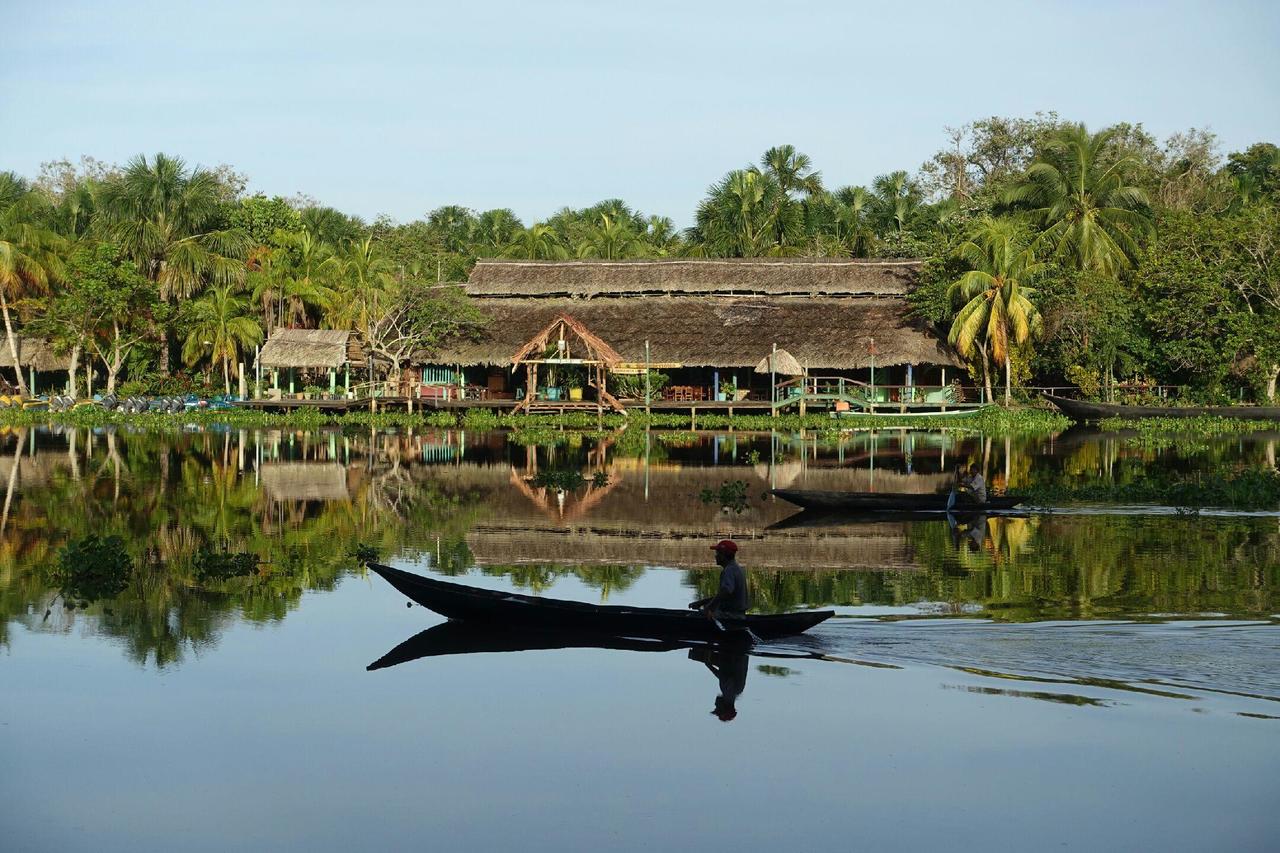
Despite its industrial significance, Monagas boasts stunning natural beauty, including coastal areas, rivers, and forests. The state is home to various indigenous communities, each with its unique culture and traditions. The Joropo, a lively folk dance and music genre, is a popular cultural expression in Monagas.

Challenges and Opportunities

Like many parts of Venezuela, Monagas faces economic and social challenges, including inflation, unemployment, and crime. However, the state’s natural resources, cultural heritage, and strategic location offer opportunities for future growth and development.

A Glimpse into the Future

As Venezuela continues to navigate its economic and political challenges, Monagas’ future remains uncertain. However, the state’s oil reserves, cultural heritage, and resilient people offer hope for a brighter future. By investing in education, infrastructure, and sustainable development, Monagas can overcome its challenges and contribute to the growth and prosperity of Venezuela.

Albania: A Country with a Rich History and Culture

recipes88.com – Nestled in the western part of the Balkan Peninsula, Albania is a country that boasts a rich tapestry of history and culture. Its strategic location has made it a crossroads for various civilizations throughout the ages, leaving an indelible mark on its heritage. From ancient Illyrians to Greeks, Romans, Byzantines, Venetians, and Ottomans, each group has contributed to the mosaic of Albanian culture.

Ancient Roots and Illyrian Heritage

The history of Albania dates back to the Illyrians, an ancient people who inhabited the western Balkans. The Illyrians were known for their fierce independence and naval prowess, which often brought them into conflict with the ancient Greeks and later the Romans. The legacy of the Illyrians can still be seen in the country’s toponyms, traditions, and the Illyrian capital of Shkodër, which remains one of Albania’s most historic cities.

Greek and Roman Influence

The Greeks established colonies along the Albanian coast, bringing with them their language, religion, and art. The most notable Greek colony was Apollonia, which was a center of learning and culture. The Romans conquered the region in the 2nd century BC, and their influence can be seen in the ruins of Butrint, a UNESCO World Heritage Site, and the ancient city of Durrës, one of the oldest cities in Albania.

The Byzantine and Ottoman Eras

Following the fall of the Roman Empire, Albania came under the rule of the Byzantine Empire, which introduced Orthodox Christianity to the region. The country’s cultural landscape was further enriched during the 500-year Ottoman rule, which began in the 15th century. Islam became a significant religion, and the Ottomans left a legacy of mosques, bazaars, and architectural styles that blend harmoniously with the country’s Christian heritage.

A Unique Cultural Identity

Despite the various influences, Albania has maintained a distinct cultural identity. The Albanian language, which belongs to the Indo-European family, is unique and has no close relatives. The country’s folklore is rich with epic poetry, songs, and dances that celebrate the Albanian spirit of freedom and resistance.

Traditional Albanian Customs and Festivals

Albanian traditions are deeply rooted in the country’s history and are celebrated with enthusiasm. The Albanian New Year, known as “Gjurmëve,” is marked by rituals to ensure good fortune. The summer festival of “Dita e Verës” (Summer Day) is celebrated with traditional costumes, music, and dance. The hospitality of the Albanian people is legendary, and the concept of “Besa,” an Albanian term for trust and honor, is central to their social interactions.

Albanian Cuisine: A Blend of Flavors

Albanian cuisine reflects the country’s diverse cultural influences. It is a blend of Mediterranean, Turkish, and Balkan flavors. Dishes such as “Tavë Kosi” (lamb baked with yogurt) and “Byrek” (a pastry filled with cheese, spinach, or meat) are staples of Albanian cuisine. The country’s coastal location means that seafood is also a prominent feature of the culinary landscape.

Preserving the Past for the Future

Albania is committed to preserving its rich heritage. The government and various organizations are working to restore historical sites and promote cultural tourism. Museums, such as the National History Museum in Tirana, offer insights into the country’s past, while archaeological sites continue to reveal the layers of history that have shaped Albania.

Conclusion

Albania stands as a testament to the enduring nature of culture and history. Its people, proud of their heritage, continue to celebrate their traditions while embracing the future. As the country opens up to the world, visitors are discovering the treasures of Albania, from its ancient ruins to its vibrant cultural expressions. Albania’s rich history and culture are not just a legacy of the past but a living, breathing entity that continues to evolve and captivate the hearts of those who experience it.
The History of the FIFA World Cup: Goals and Glory

recipes88.com – “Goals and Glory: The History of the FIFA World Cup” is not a specific book or title that I can reference directly, but it seems like a fitting title for a comprehensive account of the history of the FIFA World Cup. The FIFA World Cup, often simply called the World Cup, is the international association football competition contested by the senior men’s national teams of the members of the Fédération Internationale de Football Association (FIFA), the sport’s global governing body. The tournament has taken place every four years since the inaugural tournament in 1930, except in 1942 and 1946 when it was not held because of the Second World War.

The history of the FIFA World Cup is rich with stories of triumph, heartbreak, and the evolution of the beautiful game. Here are some key points and moments that would likely be covered in a comprehensive history:

Origins and Early Years

  • Conception: The idea of a world cup for football was first proposed by the French FIFA Congress in 1928. The first World Cup was held in Uruguay in 1930, with the host nation winning the inaugural tournament.
  • Expansion: Initially, the tournament was dominated by South American and European teams, but over time, it has become truly global, with teams from Africa, Asia, and North America becoming competitive.

Notable Moments and Matches

  • 1950 World Cup: The “Maracanazo,” where Uruguay defeated Brazil in the final match at the Maracanã Stadium in Rio de Janeiro, is one of the most famous upsets in football history.
  • 1966 World Cup: England won their only World Cup title on home soil, with the tournament being remembered for the controversial “Geoff Hurst goal” in the final against West Germany.
  • 1970 World Cup: Often cited as the greatest World Cup, featuring the “Game of the Century” between Italy and Germany, and the final between Brazil and Italy, where Brazil won their third title and were awarded the Jules Rimet Trophy permanently.
  • 1986 World Cup: Diego Maradona’s “Hand of God” goal and his “Goal of the Century” against England, leading Argentina to the title.

Political and Social Impact

  • 1934 and 1938 World Cups: Held in Italy and France, respectively, these tournaments took place under the shadow of fascism and the impending Second World War.
  • 1994 World Cup in the USA: This tournament is credited with popularizing soccer in the United States and was marked by the tragic death of Colombian player Andrés Escobar after he scored an own goal in the tournament.
  • 2010 World Cup in South Africa: The first World Cup held in Africa, it was a landmark event that showcased the continent’s ability to host major international tournaments.

Evolution and Controversies

  • Expansion of Teams: The tournament has expanded over the years, from 13 teams in 1930 to 32 teams since 1998. FIFA has announced plans to expand the tournament to 48 teams starting in 2026.
  • Financial and Commercial Growth: The World Cup has become a massive commercial and financial success, with billions watching around the world and significant sponsorship and advertising revenue.
  • Controversies: The World Cup has faced controversies, including corruption allegations in FIFA, the selection of hosts like Qatar for the 2022 tournament, and concerns over human rights, labor conditions, and the environmental impact of hosting the event.

The history of the FIFA World Cup is a story of how football has united nations, transcended cultural and political boundaries, and captivated billions around the globe. It’s a narrative filled with unforgettable moments, legendary players, and the relentless pursuit of glory on the world’s biggest sporting stage.