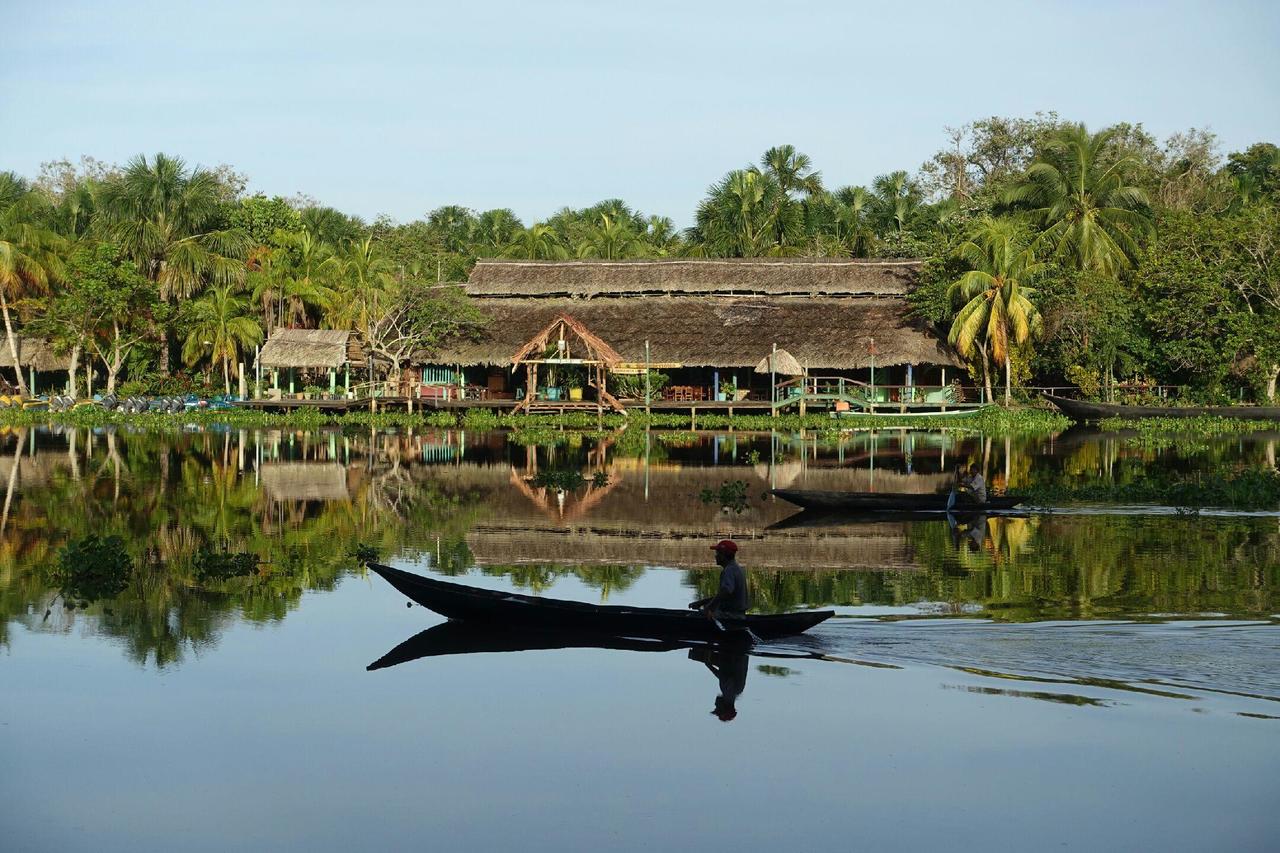
Monagas: A State of Oil and History – Tradition & Modernity

recipes88.com – Monagas, a state located in northeastern Venezuela, is a region rich in history, culture, and natural resources. Known for its oil production and its vibrant cultural heritage, Monagas offers a unique blend of tradition and modernity.   

Historical Significance

The state is named after José Tadeo Monagas, a prominent figure in Venezuelan history. The city of Maturín, the state capital, played a significant role in the Venezuelan War of Independence. The Battle of Maturín, fought in 1817, was a crucial victory for the independence forces.   

Oil-Driven Economy

Monagas is one of Venezuela’s major oil-producing states. The state’s oil industry has significantly contributed to the country’s economy, powering its development for decades. The Orinoco Oil Belt, a vast oil reserve, extends into Monagas, making it a crucial hub for Venezuela’s petroleum industry.  

Natural Beauty and Cultural Diversity

Despite its industrial significance, Monagas boasts stunning natural beauty, including coastal areas, rivers, and forests. The state is home to various indigenous communities, each with its unique culture and traditions. The Joropo, a lively folk dance and music genre, is a popular cultural expression in Monagas.

Challenges and Opportunities

Like many parts of Venezuela, Monagas faces economic and social challenges, including inflation, unemployment, and crime. However, the state’s natural resources, cultural heritage, and strategic location offer opportunities for future growth and development.

A Glimpse into the Future

As Venezuela continues to navigate its economic and political challenges, Monagas’ future remains uncertain. However, the state’s oil reserves, cultural heritage, and resilient people offer hope for a brighter future. By investing in education, infrastructure, and sustainable development, Monagas can overcome its challenges and contribute to the growth and prosperity of Venezuela.

Roast Dinner: A Hearty British Tradition – A Complete Meal

recipes88.com – Roast dinner is a quintessential British meal, often enjoyed on Sundays. It’s a hearty and comforting dish that brings families and friends together. At its core, a roast dinner typically consists of roasted meat, roasted potatoes, Yorkshire pudding, and a selection of vegetables.

The Main Event: The Roast Meat

The star of the show in a roast dinner is undoubtedly the roast meat. Traditionally, this is a large joint of meat, such as a roast beef, roast lamb, or roast pork. The meat is slow-roasted in the oven until it is tender and juicy, with a crispy outer layer.

The Sides: A Feast for the Senses

To complement the main course, a variety of side dishes are typically served. These often include:

  • Roasted Potatoes: Golden brown and crispy on the outside, fluffy on the inside.
  • Yorkshire Pudding: A light and airy batter pudding, often served with gravy.
  • Roasted Vegetables: A colorful assortment of vegetables, such as carrots, parsnips, and Brussels sprouts, roasted until tender and caramelized.
  • Gravy: A rich and flavorful sauce made from the meat juices and often thickened with flour.

A Complete Meal

A roast dinner is often served with a selection of sauces and condiments, such as horseradish sauce, mint sauce, and apple sauce. These accompaniments add depth and complexity to the meal.

In recent years, roast dinner has evolved to cater to various dietary preferences. Vegetarian and vegan options, such as roasted vegetable wellington or nut roast, have become increasingly popular.

Whether it’s a traditional Sunday roast or a modern twist on the classic, roast dinner remains a beloved dish that brings people together and satisfies the appetite.

Butter Tarts: A Canadian Classic – A Flavorful Filling

recipes88.com – Butter tarts are a beloved Canadian dessert, known for their simple yet irresistible combination of a buttery shortcrust pastry and a gooey, sweet filling. This classic treat has captured the hearts of Canadians and food enthusiasts alike.

A Flavorful Filling

The secret to a perfect butter tart lies in its filling. Traditionally, it’s made with butter, sugar, eggs, and syrup. Some recipes also include raisins, nuts, or spices like cinnamon or nutmeg. The filling is cooked until it reaches a gooey, almost caramel-like consistency.

A Flaky Crust

The shortcrust pastry is another essential component of a great butter tart. It should be buttery, flaky, and slightly crisp. The contrast between the soft, gooey filling and the crisp crust is what makes butter tarts so delightful.

A Canadian Tradition

Butter tarts have a long history in Canada, particularly in Ontario. They are often associated with tea time and special occasions. Many Canadians have fond memories of enjoying butter tarts at family gatherings or local bake sales.

A Culinary Delight

Whether you prefer the classic raisin-filled version or a more modern twist, butter tarts offer a delightful and satisfying treat. Their simple yet elegant nature has made them a cherished part of Canadian culinary heritage.

Traditions and Heritage: The Gambia’s Culture

recipes88.com – The Gambia, a small West African country, is renowned for its rich cultural heritage and vibrant traditions. Despite its diminutive size, The Gambia boasts a tapestry of customs, languages, and practices that reflect its diverse ethnic groups and historical influences. This article delves into the heart of Gambian culture, exploring its traditions and heritage that have been preserved and celebrated through generations.

The Ethnic Mosaic

The Gambia is home to various ethnic groups, including the Mandinka, Fula, Wolof, Jola, and Serer, each contributing to the country’s cultural diversity. These groups have their unique languages, beliefs, and customs, yet they coexist harmoniously, creating a mosaic of traditions that define Gambian society.

Traditional Music and Dance

Music and dance are integral to Gambian culture, serving as a means of communication, celebration, and storytelling. The kora, a 21-stringed harp, is a national symbol, and its melodious tunes often accompany dances such as the “Kankurang,” a masquerade dance performed during initiation ceremonies. These performances are not only entertaining but also educational, passing down historical narratives and moral lessons.

Cuisine

Gambian cuisine is a reflection of its agricultural practices and its people’s resourcefulness. Staple foods include rice, millet, and maize, often served with a variety of stews made from fish, meat, or vegetables. Dishes like “Benachin” (national dish), “Domoda,” and “Supakanja” are popular and are typically shared communally, emphasizing the importance of family and community in Gambian life.

Craftsmanship

The Gambia is known for its skilled artisans who produce intricate crafts such as basketry, wood carvings, and textiles. These crafts are not only aesthetically pleasing but also hold cultural significance, often featuring symbols and patterns that convey messages or tell stories. The craft industry not only supports the local economy but also preserves traditional techniques and designs.

Religious Practices

Islam and Christianity are the predominant religions in The Gambia, and religious festivals such as Eid al-Fitr, Eid al-Adha, Christmas, and Easter are celebrated with great enthusiasm. These celebrations are marked by communal prayers, feasts, and gatherings, reinforcing the community’s bonds and promoting a sense of unity.

Conclusion

The Gambia’s culture is a testament to the resilience and creativity of its people. Through its traditions and heritage, The Gambia maintains a strong sense of identity and community. As the country continues to evolve, it remains committed to preserving its cultural legacy, ensuring that future generations can appreciate and celebrate the rich tapestry of Gambian life.