The Greenland Shark: Ancient Giant of the Deep

recipes88.com – The Greenland shark (Somniosus microcephalus) is one of the most mysterious and intriguing creatures of the ocean. Known for its incredible lifespan, slow movements, and deep-water habitat, this large shark species is a true giant of the Arctic and North Atlantic. The Greenland shark holds the record as the longest-living vertebrate on Earth, making it a subject of fascination for scientists and ocean enthusiasts alike.

Physical Characteristics

The Greenland shark is a large and sluggish predator, with adults typically reaching lengths of 16 to 18 feet, though some individuals can grow up to 24 feet. They can weigh over 2,000 pounds, making them one of the largest shark species in the world. Unlike some of the more streamlined sharks, the Greenland shark has a stocky, cylindrical body and a short, blunt snout.

Their skin is dark brown, gray, or black, often mottled or covered in scars, which they acquire from parasites and encounters with other marine creatures. One of the most distinctive features of Greenland sharks is their small, rounded dorsal fin, which is much less pronounced compared to other large sharks like the great white or mako shark.

Greenland sharks have relatively small eyes, and many individuals are partially blind due to parasitic copepods that attach themselves to the sharks’ corneas. These parasites do not seem to hinder the sharks significantly, as they rely more on their sense of smell and other senses to navigate their environment.

Habitat and Range

The Greenland shark is a cold-water species, typically found in the deep waters of the Arctic and North Atlantic oceans. They inhabit areas around Greenland, Iceland, Canada, and Norway, and can live at depths of up to 7,200 feet (2,200 meters). They are most commonly found in waters with temperatures ranging from -1 to 10°C (30 to 50°F).

Greenland sharks are well-adapted to life in the dark, cold depths of the ocean, where they spend much of their time. However, they have been known to venture into shallower waters, particularly in the Arctic, and have even been spotted in fjords and coastal areas.

Feeding Behavior and Diet

Greenland sharks are opportunistic predators and scavengers. Their diet consists of a wide variety of prey, including fish, squid, seals, and even carrion. They are slow swimmers, moving at a lethargic pace of around 1.5 mph, which suggests that they rely on ambush tactics or scavenging rather than active hunting.

In addition to live prey, Greenland sharks are known to feed on dead or dying animals. They have been found with the remains of seals, fish, and even polar bears in their stomachs. This scavenging behavior makes them important contributors to the deep-sea ecosystem, as they help recycle nutrients from animal carcasses.

Their slow metabolism allows them to survive in the frigid waters of the deep ocean with limited food sources. Despite their sluggish nature, Greenland sharks are capable of capturing large prey, though much about their hunting strategies remains a mystery due to the difficulties of studying them in their remote habitats.

Longevity and Aging

The Greenland shark is perhaps most famous for its extraordinary lifespan. Recent research has revealed that these sharks can live for over 400 years, making them the longest-living vertebrates on Earth. Scientists have used radiocarbon dating of eye lens tissue to determine the age of these ancient creatures, with some individuals estimated to be around 500 years old.

This incredible longevity is likely due to a combination of factors, including their slow metabolism, cold environment, and low reproductive rate. Greenland sharks grow at an extremely slow rate—about 1 centimeter per year— and do not reach sexual maturity until they are around 150 years old. This long lifespan and slow growth make them unique among sharks and other marine animals.

Reproduction and Lifespan

Little is known about the reproductive habits of Greenland sharks due to the difficulty of observing them in the wild. They are believed to give birth to live young, with litters containing up to 10 pups. The pups are around 1.5 to 2 feet long at birth and grow slowly over their long lives.

Because of their incredibly slow maturation and reproduction rate, Greenland sharks are particularly vulnerable to environmental changes and human activities. Their low reproductive output means that populations may take a long time to recover from declines.

Conservation Status and Threats

The Greenland shark is currently listed as “Near Threatened” on the International Union for Conservation of Nature (IUCN) Red List. While they are not commonly targeted by commercial fisheries, they are occasionally caught as bycatch in fishing nets, particularly in trawl and longline fisheries. Additionally, in some regions, Greenland sharks have been hunted for their liver oil, which was historically used for lamp oil and lubricants.

Today, climate change poses one of the biggest threats to the Greenland shark. As ocean temperatures rise, the cold, deep-water habitats that these sharks rely on could be disrupted, affecting their prey availability and overall survival. The effects of pollution and deep-sea mining could also impact their fragile ecosystems.

Despite their slow reproductive rate, the longevity of Greenland sharks provides some hope for their future. Their long lives mean they can survive in stable conditions for centuries, but continued monitoring and protection of their habitats are crucial to ensuring their survival.

Role in the Ecosystem

Greenland sharks play an important role in the Arctic and North Atlantic ecosystems as both predators and scavengers. By feeding on a variety of animals, including seals and fish, they help regulate the populations of these species. Their scavenging behavior also contributes to the deep-sea food web by recycling nutrients from dead animals, which helps support other marine organisms.

As apex predators in their environment, Greenland sharks help maintain the balance of the ecosystem, preventing the overpopulation of prey species and contributing to the overall health of the marine food web.

Conclusion

The Greenland shark is a fascinating and enigmatic species, known for its incredible lifespan, unique adaptations, and important role in the marine ecosystem. As one of the longest-living creatures on Earth, these ancient giants provide valuable insight into the mysteries of the deep ocean and the resilience of life in extreme environments. Despite facing modern threats from climate change and human activity, the Greenland shark continues to endure in the frigid waters of the Arctic, reminding us of the ancient, slow-moving rhythms of the deep sea.

Protecting the Greenland shark and its habitat is essential not only for the survival of this remarkable species but also for the preservation of the delicate ecosystems in which it thrives.

The Elusive Giant: Unveiling the Mysteries of the Giant Squid

recipes88.com – For centuries, tales of colossal sea creatures have captivated imaginations and sparked fear. Among these mythical beasts, the giant squid, a creature of immense size and otherworldly appearance, has long held a place of fascination and intrigue. With its massive tentacles, piercing eyes, and elusive nature, the giant squid remains one of the most enigmatic inhabitants of the deep sea.

A Glimpse into the Depths

The giant squid, scientifically known as Architeuthis dux, is a deep-sea cephalopod that can grow to astonishing proportions. Recent estimates suggest that females can reach lengths of up to 13 meters (43 feet), while males are typically smaller, averaging around 10 meters (33 feet). These colossal creatures inhabit the dark depths of the ocean, making them incredibly difficult to study.   

Physical Characteristics

The giant squid possesses a distinctive body structure, characterized by a large mantle, eight arms, and two long feeding tentacles. Its eyes, the largest in the animal kingdom, are capable of detecting even the faintest traces of light in the inky blackness of the deep sea. These eyes are crucial for hunting prey, which includes fish, crustaceans, and other cephalopods.   

A Life of Mystery

The life cycle of the giant squid remains largely unknown. Scientists believe that these creatures have a relatively short lifespan, perhaps only a few years. They are thought to reproduce through external fertilization, with females laying large numbers of eggs. However, the exact details of their breeding habits remain shrouded in mystery.   

The Elusive Nature

The giant squid’s elusive nature has made it a challenging subject for scientific study. Until recently, most of our knowledge about these creatures came from stranded carcasses or rare encounters with fishermen. However, advances in deep-sea exploration technology have allowed scientists to glimpse into their world.

In 2004, a team of Japanese researchers captured the first images of a live giant squid in its natural habitat. This groundbreaking achievement provided valuable insights into the behavior and ecology of these magnificent creatures. Subsequent expeditions have further expanded our understanding of the giant squid, but much remains to be discovered.   

Myth and Legend

The giant squid has long been associated with various myths and legends, often portrayed as a fearsome sea monster. The Kraken, a legendary sea monster from Norse mythology, is believed to have been inspired by encounters with giant squid. These tales have contributed to the enduring fascination with these creatures and their place in popular culture.   

Conservation Concerns

While the giant squid is not currently considered threatened, it faces various challenges, including climate change, pollution, and overfishing. The deep-sea ecosystem, where giant squid thrive, is vulnerable to human activities. Conservation efforts are essential to protect these magnificent creatures and their habitat for future generations.   

Conclusion

The giant squid continues to captivate our imaginations and inspire scientific inquiry. As we delve deeper into the ocean’s mysteries, we may uncover more secrets about this elusive giant. By understanding and protecting these creatures, we can ensure that they remain a part of our planet’s rich biodiversity for years to come.

Megalithic Structures and the Giant Builders Theory

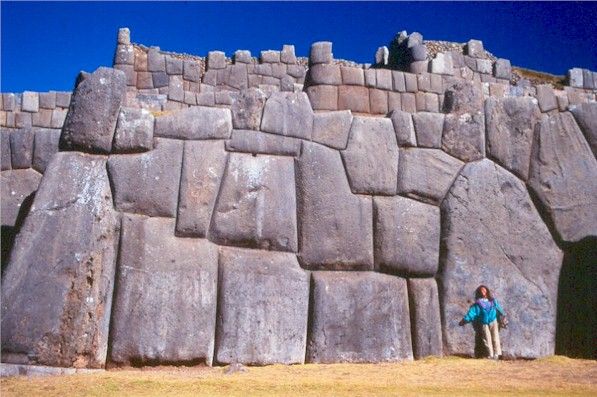
recipes88.com – Throughout history, humans have been fascinated by the colossal stone structures that dot the landscapes of ancient civilizations. From the towering pyramids of Egypt to the mysterious stone circles of Stonehenge, these megalithic structures have captivated the imagination, inspiring awe and curiosity. Among the many theories attempting to explain their construction, the Giant Builders Theory stands out as one of the most intriguing and controversial. This article delves into the world of megalithic structures and explores the Giant Builders Theory, examining its origins, evidence, and the ongoing debate surrounding it.

The Enigma of Megalithic Structures

Megalithic structures are defined by their use of large stones, often weighing several tons, arranged in specific patterns. These constructions are found across the globe, from the Nazca Lines in Peru to the megalithic temples of Malta. Their purpose and methods of construction have been the subject of much speculation, with theories ranging from astronomical observatories to religious sites. Despite advances in archaeology and technology, many questions about these ancient edifices remain unanswered.

The Giant Builders Theory

The Giant Builders Theory posits that these massive stone structures were built by giants, beings of extraordinary size and strength. This theory draws on a combination of mythology, folklore, and archaeological anomalies to suggest that a race of giants once roamed the Earth, leaving behind these monuments as evidence of their existence.

Mythological Origins

Many ancient cultures have myths and legends that speak of giants. The Greeks had the Titans, the Norse had the Jotunn, and the Bible mentions the Nephilim. These stories often depict giants as powerful beings capable of feats beyond human capability, including the construction of monumental architecture.

Archaeological Anomalies

Proponents of the Giant Builders Theory point to certain archaeological finds as evidence of giant humans. These include reports of large skeletal remains and footprints that seem to support the existence of a race of giants. However, these claims are often met with skepticism from the scientific community, with many dismissing them as hoaxes or misinterpretations of natural phenomena.

The Debate

The Giant Builders Theory is highly controversial and is not widely accepted by mainstream archaeologists and historians. Critics argue that there is no concrete evidence to support the existence of giants, and that the construction of megalithic structures can be attributed to human ingenuity and collective effort. They point to the use of simple machines, such as levers and rollers, and the organization of large workforces as plausible explanations for how these monuments were built.

Moreover, the theory is often criticized for its reliance on mythology and folklore, which are considered unreliable sources of historical evidence. Skeptics argue that these stories should be understood as symbolic or allegorical rather than literal accounts of historical events.

Conclusion

The Giant Builders Theory offers a fascinating glimpse into the human imagination and our enduring fascination with the unknown. While it is unlikely that giants were responsible for the construction of megalithic structures, the theory serves as a reminder of the mysteries that still surround these ancient monuments. As our understanding of the past evolves, it is important to approach such theories with a critical eye, recognizing the value of myth and legend in our cultural heritage while also seeking evidence-based explanations for the wonders of the ancient world.